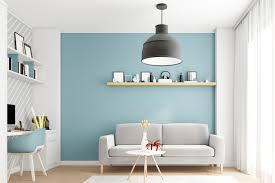
Pendant lights have the ability to turn a room from basic to sophisticated. They bring personality, create ambiance, and accentuate focal points in a house. Yet, selecting and installing them mindlessly usually causes design errors that detract from the desired impact. Steer clear of typical pitfall traps so that pendant lighting does not upset, but rather maximizes a space.
Hanging Them at the Wrong Height
One of the most common errors is improper placement. A pendant hung too low can become obtrusive, obstructing views and creating uncomfortable sightlines. Conversely, a pendant hung too high loses its effect and does not serve to produce sufficient light.
Above a kitchen island or dining table, pendants should typically be hung 28 to 34 inches from the surface. This is the perfect balance of functionality and aesthetic appeal. In open spaces, take into consideration the people walking by and their eye level. Appropriate height installation creates balance and comfort in any environment.
Ignoring Scale and Proportion
Modern pendant lights must be proportionate to the size of the room and the furniture that they adorn. Extremely large fixtures can overwhelm small spaces, while very small pendants are lost in large areas. Both extremes disrupt the harmony of a design. Prior to selection, take a measurement of the space in which the light will be put in place.
A rule of thumb is to consider both room size and ceiling height. Large living rooms, for instance, require bold, wide pendants, whereas smaller nooks necessitate slimmer, more compact fixtures. In the kitchen, middling pendants spaced uniformly tend to be more cohesive in appearance than one larger fixture. Placing contemporary pendant lights of the correct size can help to improve the visual flow while still producing a stylish effect.
Neglecting Layered Lighting
Using pendant lights alone tends to produce dim or unbalanced lighting. Pendants are made to call attention, not to serve alone as the light in a room. By themselves, they can cast shadows and make corners dark.
The answer is layering. Pair pendants with recessed lighting, floor lamps, or wall sconces. The combination keeps rooms functional without appearing unfriendly. Pendants highlight focal points, and other fixtures complete the gaps. Symmetrical lighting enhances visibility and adds warmth and depth to interior spaces.
Why Layering Is More Important in Open-Plan Homes
Open designs are completely dependent on adjustable lighting schemes. Without layering, some areas become flat or incomplete. Pendants create dining or kitchen spaces, and surrounding lights provide continuity and flow. In these houses, well-planned layering establishes separate zones without adding walls.
Selecting Form Over Function
While beautiful designs are appealing, pendants need to be functional. A beautiful glass light above a workstation may be chic, but if it creates glare or shadows, the workplace is inconvenient. Similarly, a fashionable fixture in a hallway may be out of place if it does not offer sufficient light.
Always balance the light level with the function of the room. For example, kitchen pendants should have strong, clear light for food preparation, whereas bedroom pendants may be softer and more ambient. An attractive fixture is never at the expense of function. Functionality makes style seem useful, rather than contrived.
Avoiding the Dimmers
Lighting control tends to be an afterthought, but it makes a great deal of difference. Fixed brightness can be too harsh on quiet evenings or too dim when work demands attention. Without flexibility, pendants lose much of their appeal.
Dimmer installation provides mood and functional control. Bright is appropriate for work or parties, and dimmed light is good for relaxed, intimate settings. Dimmers also conserve energy and prolong bulb life. Money invested in this minor detail pays dividends through long-term comfort and usability.
Overlooking the Room’s Overall Design
A pendant needs to be an extension of the space, not an afterthought. Selecting a style that conflicts with the style of the home makes for visual tension. A farmhouse-style rustic pendant might stand out like a sore thumb in a modern, minimalist apartment. Likewise, extremely contemporary designs might jar in a more traditional setting.
When selecting, think of finishes, shapes, and colors that harmonize with existing décor. A brushed brass pendant may complement warm tones in furniture, while matte black fixtures suit contemporary spaces. Consistency doesn’t mean uniformity, but rather a thoughtful connection between light and surroundings.
Modern pendant lights are both functional and aesthetic, yet errors of placement, proportion, or function diminish their effect. By taking height, scale, layering, and integration into account when designing, lighting turns a feature, not a distraction. Dimmers and adequate spacing put the finishing touches on an even setup. In a home that is done on purpose and looks refined, these mistakes must be avoided. With the right strategy, even contemporary pendant lighting can transform spaces into stylishly lit sanctuaries.
also read: Find Your Fit Faster: A Guide to North River Ranch Neighborhoods