
Starting an LLC (Limited Liability Company) in Nevada involves various costs, which can range from basic filing fees to additional service charges. Understanding these costs upfront is crucial for entrepreneurs planning to establish their business in the Silver State.
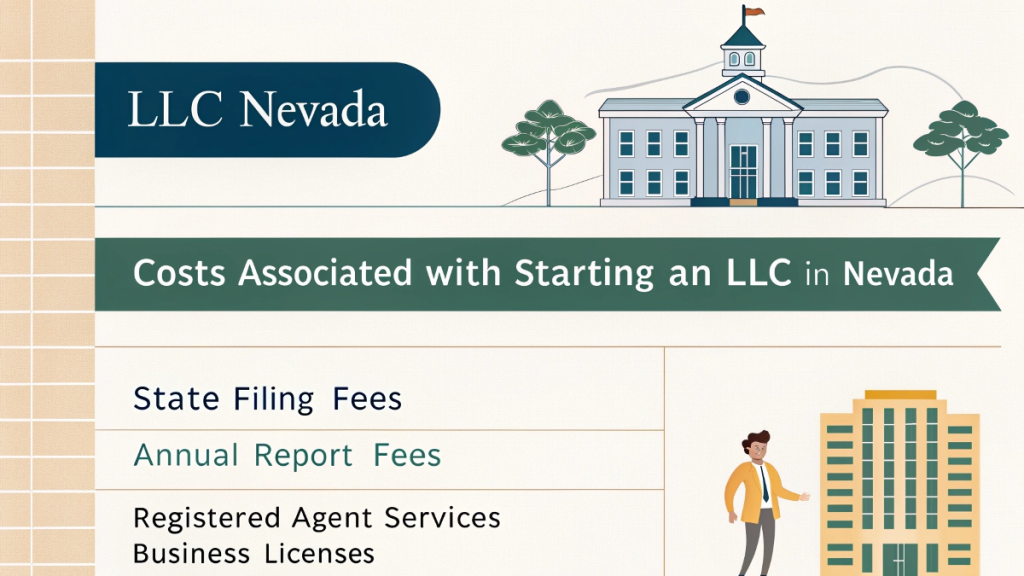
On average, it costs anywhere from $100 to $500 or more to start an LLC in Nevada, depending on the choices made during the formation process. These costs are influenced by the state’s filing fees, the need for a registered agent, business licenses, and other administrative requirements.
In this article, we will explore in detail the various costs involved in starting an LLC in Nevada and break them down into manageable categories for clarity.
Cost Breakdown to Start an LLC in Nevada
Forming an LLC in Nevada is not overly expensive, but understanding all the fees involved can prevent unexpected costs later on. The overall cost can depend on factors such as whether you choose expedited processing, hire a professional service, or handle the filing on your own.
Nevada LLC Formation Fee
One of the primary costs when forming an LLC in Nevada is the fee to file Articles of Organization with the Nevada Secretary of State. This document officially registers your LLC and makes it a recognized business entity in Nevada. The filing fee for the Articles of Organization is $75, and it is non-refundable. This cost is essential to starting your LLC and is a one-time fee. The Articles of Organization form is fairly straightforward, and you can file it online, by mail, or in person. If you file it online, the processing time is faster, typically within 1-2 business days. If you decide to go with mail filing, the processing time could take up to 10 business days.
Registered Agent Fee
According to Nevada law, all LLCs are required to designate a registered agent. A registered agent acts as the official point of contact for legal documents, tax forms, and government notices. If you are not a resident of Nevada or do not have a physical address in the state, you must hire a registered agent service. These services usually cost between $100 and $300 annually. While you may serve as your own registered agent if you are a resident of Nevada, hiring a professional registered agent service can offer additional advantages. They ensure compliance with all legal requirements, maintain privacy for business owners, and handle legal paperwork promptly.
Operating Agreement and Articles of Organization Fees
Although the state of Nevada does not require LLCs to submit an Operating Agreement, having one in place is highly advisable. An Operating Agreement outlines the internal governance of your LLC, including the rights, duties, and responsibilities of members and managers. It also addresses how profits and losses will be distributed and what steps will be taken in the event of a dispute or dissolution. The cost for drafting an Operating Agreement can range from $50 to $200 if you use a legal service or hire an attorney. While it is not mandatory, an Operating Agreement helps to formalize the operations of your LLC and protect the interests of all members involved. In addition to the Operating Agreement, the cost of filing the Articles of Organization (mentioned above) is another mandatory expense. The Articles of Organization cost $75 and are essential for officially registering your LLC with the Nevada Secretary of State.
Other Required Costs
Starting an LLC in Nevada may involve additional costs that could arise during the registration process. Some of these include:
- Business License Fee: Nevada requires all LLCs to obtain a state business license, which costs $200 annually. This fee is required to operate legally within the state, and failure to obtain a license could result in penalties.
- State Tax Registration: Depending on the nature of your business, you may be required to register for state taxes. For example, businesses with employees must register for Nevada’s unemployment insurance tax. Additionally, businesses generating revenue over $4 million annually must register for Nevada’s Commerce Tax, which has a separate fee structure.
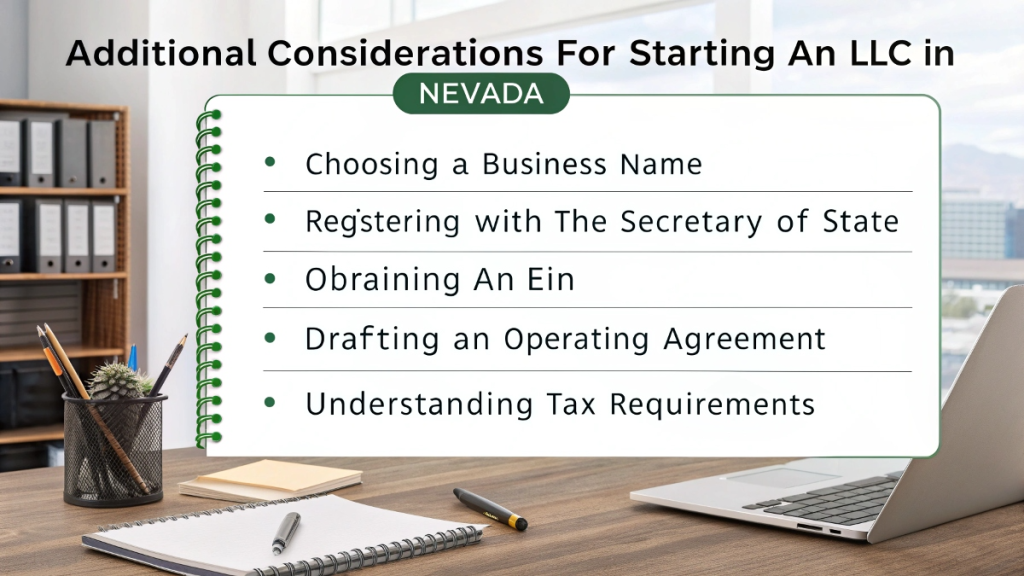
Additional Considerations for Starting an LLC in Nevada
In addition to the upfront costs of forming your LLC, you should be aware of ongoing fees and other considerations necessary for maintaining compliance with Nevada laws. These costs can affect your business’s annual budget and are essential for long-term success.
State Taxes and Licenses
Nevada is renowned for its business-friendly tax policies, which are a significant reason why many entrepreneurs choose to form LLCs in the state. The most notable advantage is that Nevada does not impose a state income tax on businesses. This absence of a state income tax can be particularly beneficial for LLC owners, as it allows them to retain more of their profits compared to states with high income tax rates. However, despite the absence of a state income tax, there are other state taxes that LLCs may be subject to, such as the following:
- Commerce Tax: This tax applies to businesses with gross revenue exceeding $4 million annually. The tax rate varies depending on the industry in which your business operates.
- Modified Business Tax (MBT): This is a payroll tax assessed on businesses with employees. The rate depends on your total payroll amount, and businesses with payrolls of over $50,000 per quarter are required to pay the tax.
Additionally, all businesses in Nevada are required to hold a business license, which costs $200 annually. This license must be renewed each year to keep your LLC in good standing with the state.
Ongoing Costs After Formation
Once your LLC is formed, you’ll need to continue paying certain fees to keep your business active. These ongoing costs ensure that your LLC remains compliant with Nevada state law. Two key ongoing costs include:
- Annual List of Managers or Members: Nevada LLCs must file an Annual List with the Secretary of State each year, which includes updated information about the LLC’s managers or members. The filing fee for this annual report is $150.
- Business License Renewal: As mentioned earlier, the business license fee is due annually. Failure to renew this license on time could lead to penalties or the suspension of your LLC’s operating rights.
Is Nevada a Good Choice for LLC Formation?
Nevada is widely regarded as a prime location for LLC formation, particularly for small businesses and entrepreneurs. Its favorable tax policies, business-friendly environment, and strong privacy protections make it an attractive choice. However, there are some aspects to consider before deciding if Nevada is the best state for your LLC.
Benefits of Forming an LLC in Nevada
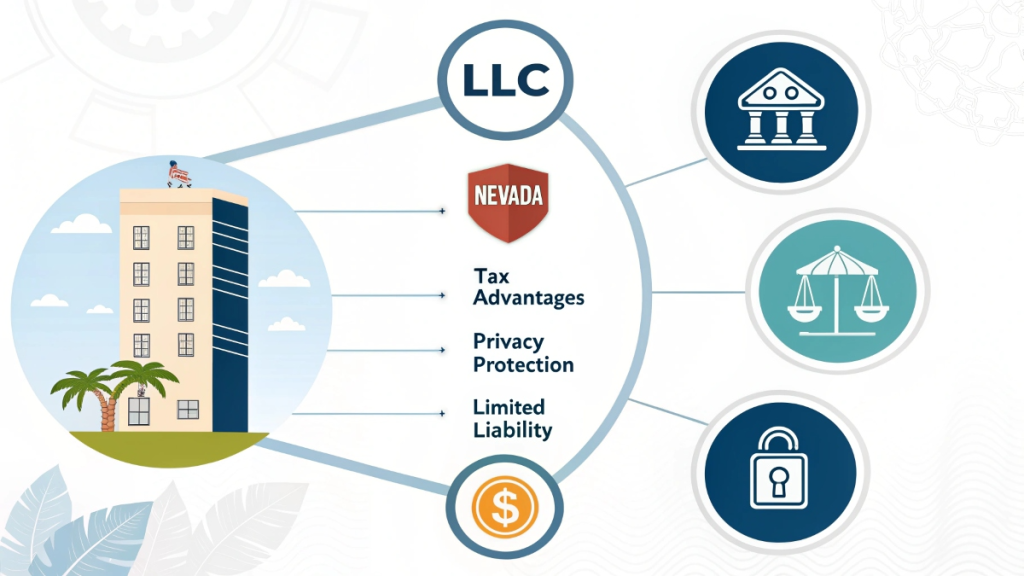
- No State Income Tax: Nevada does not impose a state income tax on businesses or individuals, which means you can retain more profits. This is particularly advantageous for LLC owners, as other states may have significantly higher income tax rates.
- Privacy Protection: Nevada offers enhanced privacy protections for LLC owners. The state does not require the disclosure of LLC members or managers in public records, which can help protect the identities of business owners.
- Business-Friendly Legal Environment: Nevada has a well-established and business-friendly legal system that is known for its fairness and predictability. The state has a reputation for providing strong legal protections to LLCs and their owners.
Comparison to Other States
When compared to states like Delaware or California, Nevada offers unique advantages, particularly for businesses that want to minimize their tax burden. While Delaware is also known for its favorable business laws, it does impose a franchise tax on LLCs, which Nevada does not. California, on the other hand, has high business taxes and stringent regulations, making Nevada an appealing option for entrepreneurs seeking a business-friendly environment without heavy taxes.
How to Form an LLC in Nevada: Step-by-Step Guide
Forming an LLC in Nevada is a straightforward process. Here’s a step-by-step guide to help you through it.
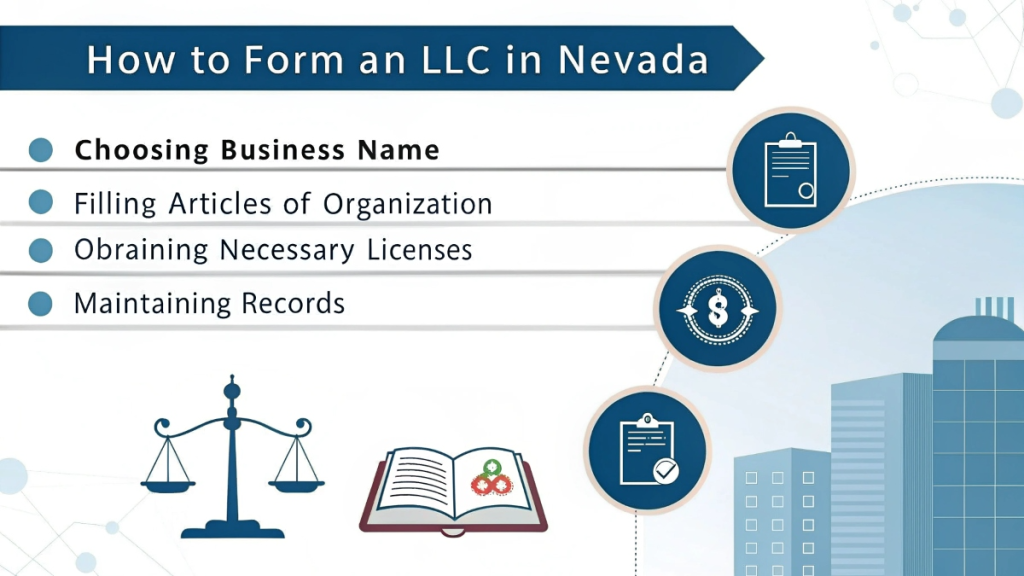
Step 1: Choose a Name for Your LLC
The first step is to choose a unique name for your LLC. Your business name must be distinguishable from other registered businesses in Nevada and include “Limited Liability Company” or its abbreviation, “LLC.” You can check the availability of your desired name using the Nevada Secretary of State’s online business name search tool.
Step 2: Designate a Registered Agent
Next, you need to designate a Registered Agent. This individual or service will be responsible for receiving legal documents on behalf of your LLC. You can act as your own Registered Agent if you are a resident of Nevada, or you can hire a Registered Agent service to fulfill this requirement.
Step 3: File Articles of Organization
To officially create your LLC, you must file the Articles of Organization with the Nevada Secretary of State. This form can be submitted online, by mail, or in person. The filing fee for the Articles of Organization is $75. Once approved, your LLC will be legally formed.
FAQs about Starting an LLC in Nevada
How long does it take to start an LLC in Nevada?
The process of forming an LLC in Nevada typically takes about 1-2 weeks. If you choose expedited processing, you can receive approval in as little as 24 hours. However, delays can occur depending on the volume of filings and whether all necessary paperwork is submitted correctly.
Can I form an LLC in Nevada if I don’t live there?
Yes, you can form an LLC in Nevada even if you don’t live in the state. Nevada allows non-residents to form LLCs, but you will need to designate a Registered Agent with a physical address in Nevada to receive legal documents on your behalf.
What is the annual cost to maintain an LLC in Nevada?
The annual cost to maintain an LLC in Nevada includes the $150 Annual List filing fee and the $200 business license renewal fee. Therefore, the total annual cost for maintaining your LLC in Nevada is approximately $350.
Do I need an Operating Agreement for my Nevada LLC?
While Nevada does not require you to submit an Operating Agreement to the state, it is highly recommended. An Operating Agreement outlines how your LLC will be managed and can help prevent conflicts between members. If you choose to hire a service to create the agreement, it may cost between $50 and $200.
Can a Nevada LLC own property in other states?
Yes, a Nevada LLC can own property in other states. However, if your LLC conducts business or owns property outside of Nevada, you may be required to register as a foreign LLC in those states. This process typically involves additional fees and paperwork.
Are there any tax advantages to forming an LLC in Nevada?
Nevada does not have a state income tax, making it an attractive option for businesses looking to avoid high taxation. This can provide significant savings, especially for businesses that generate substantial revenue. However, other taxes, such as the Commerce Tax and Modified Business Tax, may still apply based on your business activities.
What happens if I don’t file my Annual List on time?
Failure to file your Annual List in Nevada on time may result in your LLC being dissolved or placed in an “inactive” status. To avoid penalties, ensure that you submit the required filings before the deadline, which is typically on the last day of the month in which your LLC was formed.
Do I need a business license to operate an LLC in Nevada?
Yes, all LLCs in Nevada must obtain a business license. The fee for this license is $200 annually, and it must be renewed each year to keep your LLC in good standing with the state. Failure to obtain a business license can result in fines and penalties.
Can I form an LLC in Nevada without a physical address in the state?
Yes, you can form an LLC in Nevada without a physical address in the state, but you must have a Registered Agent with a physical address in Nevada. This agent will receive legal and tax documents on behalf of your LLC.
What are the benefits of hiring a professional service to form an LLC in Nevada?
Hiring a professional service to form your LLC in Nevada can help ensure that all paperwork is filed correctly and on time. These services often provide assistance with drafting an Operating Agreement, obtaining a Registered Agent, and other necessary steps to make the process smoother and more efficient.