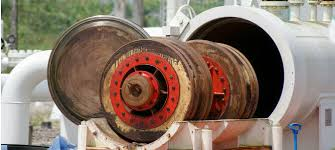
Pipeline pigs are essential tools for cleaning, inspecting, and maintaining pipelines without disrupting operations. They remove debris, prevent blockages, and help maintain flow efficiency, while advanced models detect corrosion, cracks, or leaks. By ensuring pipelines remain safe, efficient, and compliant with regulations, pigs extend the infrastructure’s lifespan and reduce costly downtime. Their role is vital in supporting industries like oil, gas, and water, where continuous, reliable transport of resources is critical.
The Surprising Role of Pipeline Pigs in the Modern World
Underneath our streets, across vast countrysides, and deep below oceans, a network of pipelines quietly pumps oil, water, gas, and chemicals across continents. Keeping these pipelines operational, efficient, and safe is a monumental task that wouldn’t be possible without the ingenious devices known as pipeline pigs. Contrary to what the name might suggest, these “pigs” are not animals, but rather essential mechanical tools designed to travel through pipelines to clean, inspect, or maintain them.
Like any vital infrastructure, pipelines require regular attention to prevent corrosion, blockages, and leaks. As deposits and debris build up over time, they seriously threaten flow rates and structural integrity. This is where the importance of cleaning pipelines using advanced pigging tools comes into play. These specialized devices help operators maintain the internal health of pipelines, thus preventing costly repairs and environmental disasters.
Given the massive scale of modern pipeline networks, manual inspection and cleaning are impractical. Pipeline pigs provide a scalable solution, fitting seamlessly into the maintenance schedules of oil, gas, water, and even food-grade pipelines. From the initial construction to decades of operation, pigs are the unsung heroes working invisibly to ensure reliability.
The utility of pipeline pigs stretches beyond maintenance. They play a crucial role in compliance with safety and environmental regulations, a growing concern for industries facing stricter oversight. Technologies embedded in pigs have turned them into vital prevention, monitoring, and documentation tools.
How Pipeline Pigs Work: A Look Inside the Pipeline
Pipeline pigs come in myriad shapes and sizes, tailored to the diameter and function of the pipes they service. Basic models may be cylindrical, constructed from polyurethane or rubber, and fitted with metallic or flexible brushes. More advanced pigs, known as “smart pigs,” bristle with electronic sensors and data loggers, capable of recording pipe wall thickness, curvature, temperature, and corrosion points as they travel.
Movement through the pipeline is achieved by leveraging the pressure of the fluid being transported. As a pig is inserted into the system, the differential pressure behind it pushes the pig along the pipeline’s length, allowing it to clean, inspect, or separate product batches without interrupting the main flow.

Pigging combines time-tested engineering with cutting-edge technology. While the principle of launching mechanical devices through pipes dates back over a century, today’s pigs fuse tradition with precision electronics, wirelessly transmitting a wealth of operational data to control centers above ground.
Why Pipeline Cleaning Is Critical
Over time, pipelines accumulate internal debris—everything from rust, scale, wax, mineral deposits, microorganisms, and sand. Even seemingly minor residues can increase friction, lower throughput, and accelerate corrosion. If left unchecked, these issues can result in hazardous leaks, costly shutdowns, or even catastrophic ruptures. High-profile incidents highlighted in recent pipeline maintenance news underscore how vital routine pigging is to infrastructure safety.
Regulatory agencies and pipeline operators recognize the consequences of neglect. Reduced pipeline efficiency affects production and undermines public trust and environmental stewardship. Simply put, regular pigging is non-negotiable—it’s a foundational practice for safe and sustainable pipeline operation.
Types of Pipeline Pigs and What They Do
- Cleaning Pigs: Scrub the interior walls, removing wax, rust, and other deposits.
- Inspection (Smart) Pigs: Use sensors and electronics to detect corrosion, cracks, or deformation.
- Sealing (Batching) Pigs: Separate different products or remove residual liquids.
- Specialty Pigs: Designed for unique tasks like removing water after hydro-testing or accommodating bends and diameter variations within pipelines.
For example, an inspection pig might traverse a newly installed oil pipeline to confirm structural integrity. In contrast, a cleaning pig might run before a central product switch to eliminate past residues.
Common Myths and Misconceptions About Pipeline Pigs
Many believe the quirky term “pig” derives from the squealing noise early devices made while scraping through pipes, though others attribute it to “Pipeline Inspection Gauge.” Regardless of the origin, pipeline pigs are vital for much more than oil and gas—they’re used in water, chemical, and food pipelines.
Another frequent misconception is that pigging poses environmental hazards. On the contrary, properly managed pigging reduces leak risks and ecological contamination, making it a cornerstone of modern pipeline safety practices.
Real-World Examples: When Pipeline Pigs Saved the Day
Routine pigging has helped energy companies identify and repair critical defects before they escalate. Pigging technology ensures safe, cross-contamination-free product transitions in the beverages and food industries. The U.S. Department of Energy features case studies highlighting how regular pigging protects communities and ecosystems, as detailed in this pipeline safety case study.
- Detection of corrosion in a cross-country pipeline prevented a pipeline explosion in Texas.
- Pigging after heavy rainfall kept water pipelines free of sediment, averting service interruptions in California.
- Food-grade pigs minimized product loss and cleaning chemicals in beverage production facilities.
Innovations and the Future of Pipeline Pigging
The evolution of “smart pigs” represents a leap forward in infrastructure management. Today’s devices gather 3D imagery, ultrasonic scans, and other performance metrics, turning every pig run into an opportunity for deep analytics. Environmental considerations also drive new pig designs—biodegradable materials, energy-efficient propulsion, and data-driven maintenance cycles contribute to greener pipeline stewardship.
Looking ahead, artificial intelligence and machine learning promise unprecedented insights into pipeline health, allowing for predictive maintenance, reduced downtime, and minimal environmental impact. As noted by major industry reports, the role of digital twins and big data analytics is only expected to expand.
A Step-by-Step Look at Pipeline Pigging in Practice
- Preparation and Pig Selection: The correct pig type and size are selected based on pipe diameter, operation goals, and flow conditions.
- Launching a Pig: The pig is inserted through a designated trap and launched into the pipeline flow.
- Monitoring the Process: Operators track the pig’s progress with sensors and automated controls, ensuring safe and complete travel from start to finish.
- Post-Run Inspections: After retrieval, pigs are inspected for wear and debris, and the collected data or residues guide future maintenance.
Concluding Thoughts: The Hidden Guardians of Infrastructure
Pipeline pigs labor out of sight, day and night, ensuring critical resources’ safe and efficient movement. Their work is vital for compliance and profitability, public safety, environmental stewardship, and energy security. As maintenance technologies advance, committed attention to pigging sets the foundation for resilient, future-proof infrastructure.
Embracing best practices in maintenance and continuous monitoring is key—pipeline pigs are the quiet guardians securing our modern world, one run at a time.
read more : How Luxury Umrah Services Help You Focus on Your Worship