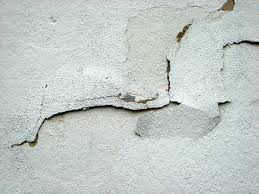
Cracks in plastered walls are one of the most common — and frustrating — issues homeowners face. Whether they appear as thin hairline fractures or more noticeable gaps, plaster cracks often raise concerns about construction quality, structural integrity, and long-term durability.
While cracks don’t always signal a serious problem, understanding why they occur is essential to preventing them in future builds or renovations.
Below are ten of the most common reasons cracks open in plastering, explained in clear, practical terms.
1. Lack of Skilled Workmanship
Even the best materials can fail if workmanship is poor. Inconsistent application, improper curing, rushed timelines, or lack of experience all contribute to plaster cracking.
This is why working with experienced professionals matters. Reputable teams — including luxury home builders Houston — understand how structural planning, materials, and finishing techniques work together to produce long-lasting results.
2. Poor Surface Preparation Before Plastering
Plaster relies heavily on adhesion. If the surface beneath isn’t properly cleaned, roughened, or primed, the plaster may not bond correctly. Dust, oil, or smooth surfaces can weaken adhesion, leading to cracks as the plaster dries or ages.
This issue is especially common when plaster is applied over concrete or drywall without adequate surface treatment.
3. Incorrect Plaster Mix Ratio
Plaster must be mixed with precise ratios of cement, lime, sand, and water. Too much water weakens the mix, while too little reduces workability and flexibility.
An imbalanced mix can shrink excessively during drying, creating internal tension that results in cracking. Experienced plasterers understand how small adjustments in the mix can significantly affect long-term performance.
4. Rapid Drying and Moisture Loss
Plaster needs time to cure properly. When it dries too quickly — due to high temperatures, direct sunlight, or low humidity — moisture evaporates before the plaster gains strength.
This rapid moisture loss causes shrinkage cracks, often appearing as fine lines across the surface. Proper curing practices, including controlled drying and occasional misting, help prevent this issue.
5. Structural Movement and Load Changes
Buildings aren’t static. Over time, loads change as furniture is added, renovations are completed, or floors are modified. These shifts can transfer stress to walls, leading to cracks in plaster.
Cracks caused by structural movement are often wider and may reappear even after repair unless the underlying issue is addressed.
6. Temperature Fluctuations
Materials expand and contract with temperature changes. When plaster and the materials beneath it respond differently to heat and cold, stress develops at the surface.
Seasonal temperature swings can lead to recurring cracks, especially in areas without proper expansion joints or insulation. This is particularly relevant in regions with hot summers and cooler winters.
7. Low-Quality Materials
Using substandard plaster materials or poorly graded sand can significantly reduce durability. Inferior materials are more prone to shrinkage, poor bonding, and premature cracking.
High-quality materials may cost more upfront, but they provide better flexibility, strength, and resistance to cracking over time — a key consideration in premium construction projects.
8. Excessive Plaster Thickness
Applying plaster too thickly in a single coat increases the risk of cracking. Thick layers dry unevenly, with the surface hardening faster than the interior. This imbalance creates internal stress that eventually breaks through the surface.
Professional plastering typically involves applying multiple thinner coats, allowing each layer to cure properly before the next is added.
9. Inadequate Control Joints
Control joints are intentional breaks designed to manage movement in walls and ceilings. Without them, stress has nowhere to go — and cracks become the natural release point.
Skipping control joints is a common mistake in rushed or poorly planned projects, especially in large wall spans or long corridors.
10. Natural Settlement of the Building
All buildings settle over time. As a structure adjusts to its foundation and surrounding soil, slight movements occur. These movements can create stress within walls, especially in newly constructed homes, causing plaster to crack.
Settlement-related cracks usually appear within the first year or two after construction and are often vertical or diagonal. While typically cosmetic, they highlight the importance of proper foundation preparation and soil analysis before building begins.
Cracks in plastering don’t happen randomly. They’re usually the result of identifiable issues — from material selection and environmental conditions to structural movement and workmanship quality. While some cracks are purely cosmetic, others point to deeper construction concerns that shouldn’t be ignored.
By understanding these ten common causes, homeowners and builders alike can make better decisions, reduce future repairs, and ensure walls that remain strong, smooth, and visually appealing for years to come.