Key Takeaways
- Poor debris management on construction sites increases risks of accidents, injuries, fines, and project delays.
- Regular cleanup schedules, designated waste zones, proper containers, and employee training are essential for safety and efficiency.
- Technologies such as robotic sorting, GPS tracking, and waste management software enhance debris handling and minimize human risk.
- Proper debris handling supports environmental sustainability through recycling and repurposing of construction materials.
- Compliance with health, safety, and environmental regulations protects workers, reduces penalties, and can lower insurance costs.
- Prioritizing debris management enhances workflow, project efficiency, and company reputation while fostering a safety-conscious culture.
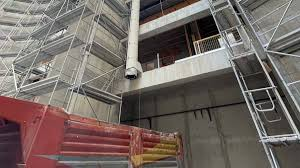
Maintaining a clean and organized construction site is essential for ensuring worker well-being, operational efficiency, and ultimately, the project’s success. The often hectic nature of construction work, with many tradespeople and shifting materials, increases the possibility of debris buildup. Unmanaged debris not only leads to potential accidents and costly delays but also complicates compliance with stringent safety and environmental standards set by regulators. Products such as a construction debris tarp can play a key role in controlling waste, serving as barriers that catch loose materials, prevent hazards, and keep sites cleaner and safer for everyone present—from laborers to site managers to visiting inspectors.
Effective debris management systems play a crucial role in preventing the uncontrolled accumulation of hazardous materials, which can result in minor to severe on-site injuries, substantial fines, and unexpected project delays. Establishing an organized approach to debris handling, safe disposal, and optimized recycling is now recognized as a fundamental part of responsible job site management in the modern construction industry. Thorough planning and the application of best practices minimize chaos, ensuring that construction operations run smoothly.
Understanding the Risks of Poor Debris Management
Inadequate debris management on construction sites poses significant safety hazards to workers and visitors, including trips, falls, fires caused by flammable materials, and injuries from falling objects. These risks can cause serious injuries, legal issues for companies, and even project cancellations. Disorganized waste areas further increase the risk of workplace accidents, emphasizing the importance of preventive measures and vigilant site supervision. Moreover, unmanaged debris harms the environment and may lead to inspections, fines, and logistical challenges, all of which can damage the site’s reputation, impact future projects, and increase insurance costs.
Implementing Effective Debris Management Practices
Implementing strong debris management practices into daily operations is crucial for reducing on-site incidents, streamlining workflows, and maintaining a professional work environment. Key methods for better debris handling include:
- Regular Cleanup Schedules: Scheduling daily or weekly cleanups prevents waste buildup, making safety habitual and boosting productivity and morale by reducing clutter.
- Designated Waste Disposal Areas: Allocating specific, labeled zones for different waste types streamlines sorting, recycling, and disposal, reducing confusion and preventing cross-contamination.
- Use of Appropriate Containers: Utilizing various bins and containment solutions for debris helps keep sites tidy, prevents cross-contamination, and reduces environmental risks.
- Employee Training: Regular training on debris management, sorting, and safety practices fosters accountability, ensures compliance, and enhances emergency response.
Leveraging Technology for Debris Management
Technological advancements are transforming debris management on construction sites, enhancing safety and efficiency. Robots now handle sorting and transportation of materials, reducing accidents and labor expenses while speeding up debris removal. These robotic arms use computer vision to scan, recognize, and separate waste, reducing human risk exposure. Moreover, management software provides real-time waste tracking, enabling the detection of safety concerns in a timely manner. Innovations such as RFID-tagged containers and GPS tracking ensure accurate recordkeeping and better coordination among subcontractors, making effective debris management more practical on larger projects.
Environmental Benefits of Proper Debris Handling
Effective debris management minimizes environmental harm by sorting materials at their source, allowing for the recycling of metals, plastics, glass, and aggregates into new products. This approach saves landfill space, reduces expenses, and decreases emissions. It also appeals to clients who prioritize sustainability. Additionally, some municipalities transform construction debris into useful resources such as road base materials, which helps reduce costs and promotes regional sustainability. Leaders participating in these initiatives foster goodwill and enhance their market reputation.
Compliance with Safety Regulations
Construction sites face an increasingly intricate network of health, safety, and environmental regulations, especially as governments put more emphasis on sustainability and worker safety. Failing to comply with these standards can endanger workers and lead to legal or financial penalties that hurt a contractor’s profits. According to the Associated Builders and Contractors, implementing top-tier health and safety practices can make job sites nearly seven times safer for workers than those with minimal compliance. These findings underscore the crucial role of effective debris management in maintaining project schedules, preventing costly fines, and safeguarding company reputations in a competitive market. Additionally, proactive compliance often results in lower insurance costs and promotes a safety-conscious environment where risks are continuously identified and controlled.
Conclusion
Prioritizing proper debris handling is more than a box to check—it’s a strategic investment in safer construction sites, more efficient workflows, streamlined project management, and environmental responsibility. Employing clear cleanup schedules, proper containment procedures, cutting-edge technology, and ongoing employee training will keep projects on track, in legal compliance, and attractive to clients who prioritize safety and sustainability. As regulatory frameworks and sustainability standards rapidly evolve, leaders in the construction industry must continue to adopt—and even champion—best practices in debris management to protect both workers and the communities they serve, ensuring that every project leaves a lasting, positive legacy for future generations.