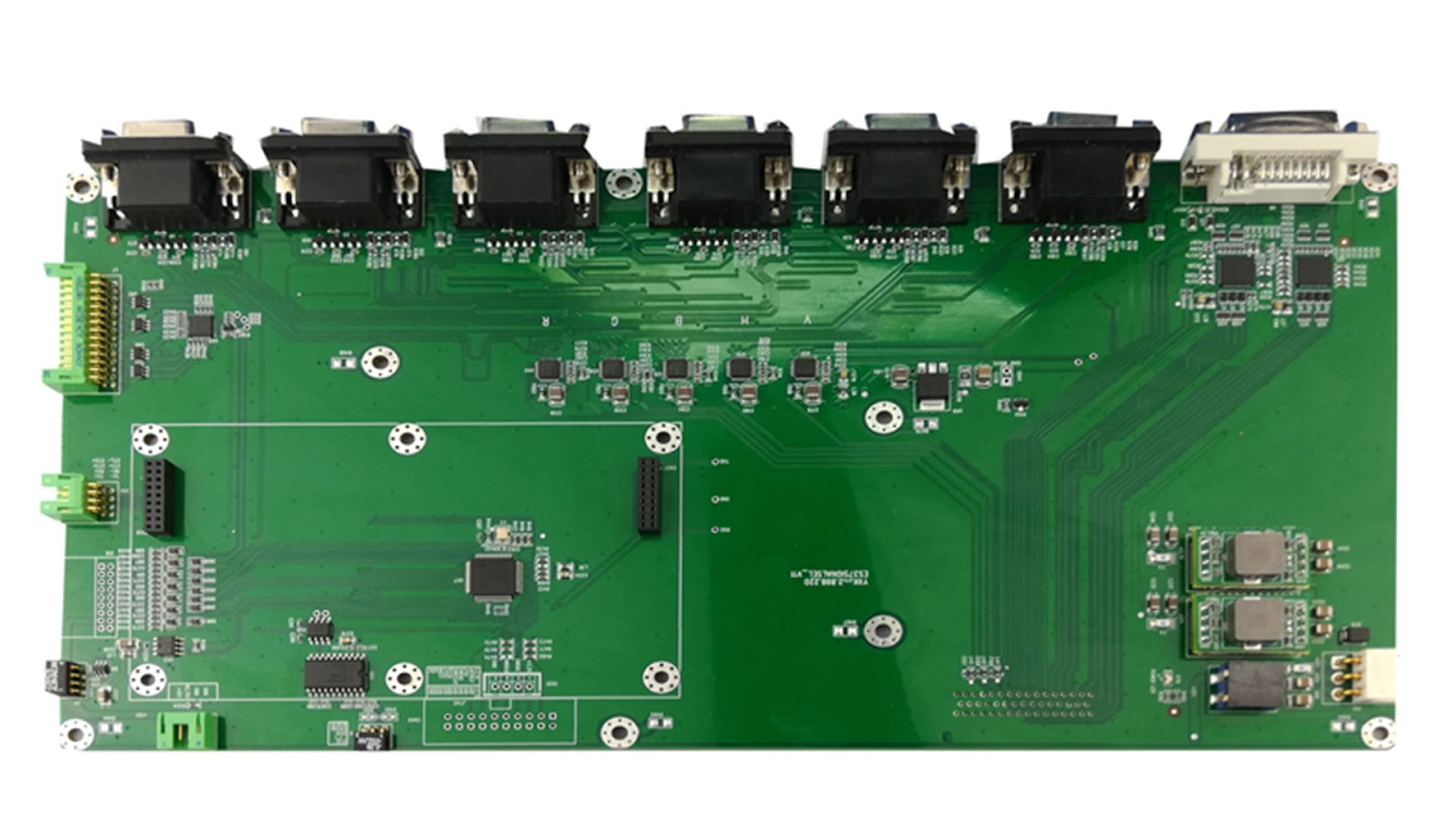
As electronic devices become increasingly compact, portable, and feature-rich, traditional rigid PCBs often fail to meet the requirements of modern applications. Engineers need solutions that combine flexibility, durability, and high performance. This is where flex pcb manufacturing, combined with FastTurn PCB services, becomes an essential part of modern electronics development.
Flex PCBs, or flexible printed circuit boards, are built using flexible substrates like polyimide, allowing the boards to bend, fold, and adapt to unique shapes without compromising electrical integrity. When paired with FastTurn PCB services, these circuits can be prototyped and manufactured rapidly, helping companies reduce development time and accelerate product launches.
What is Flex PCB Manufacturing?
Flex PCB manufacturing refers to the process of designing, fabricating, and testing flexible printed circuit boards. Unlike rigid PCBs, flex circuits use flexible materials that allow bending, folding, and twisting, making them suitable for applications with limited space or movement requirements.
A professional flex PCB manufacturer handles every aspect of production, from material selection and layer stack-up planning to precise etching and quality testing. Their expertise ensures that the flexible PCB meets both mechanical and electrical requirements, delivering reliability and performance in the final product.
Key Advantages of Flex PCB Manufacturing
1. Flexibility and Space Efficiency
Flex PCBs can bend, fold, and twist, allowing engineers to optimize the layout of electronic components in compact or irregularly shaped enclosures.
2. Reduced Weight
By eliminating connectors, wires, and separate rigid boards, flexible PCBs help reduce the overall weight of devices, which is critical in portable electronics and wearable devices.
3. Enhanced Reliability
Flex PCBs have fewer interconnections and solder joints, which reduces potential failure points and increases long-term durability.
4. Thermal Management
Flexible substrates often dissipate heat more effectively than rigid boards, improving performance in high-temperature applications.
5. Design Freedom
Flex PCB manufacturing allows engineers to create innovative multi-layer designs and 3D circuit layouts that are difficult or impossible with traditional rigid PCBs.
Applications of Flex PCBs
Flex PCBs are widely used in industries where space, reliability, and high performance are essential:
- Medical Devices: Wearable monitors, implantable devices, and diagnostic equipment
- Consumer Electronics: Smartphones, cameras, tablets, and laptops
- Automotive Electronics: Sensors, control modules, and dashboard systems
- Aerospace and Defense: Navigation systems, communication devices, and compact avionics
- Industrial Automation: Robotics, sensors, and compact control systems
In all these applications, flex PCBs provide the adaptability, durability, and compactness required to meet demanding design requirements.
What is FastTurn PCB?
While quality manufacturing is critical, speed in prototyping and production is equally important. FastTurn PCB refers to rapid PCB manufacturing and prototyping services that deliver boards in a very short timeframe, often within just a few days.
FastTurn PCB services allow engineers to quickly test and validate designs, implement improvements, and move efficiently from prototype to full-scale production. This is especially valuable for industries with tight development cycles or time-sensitive product launches.
Benefits of FastTurn PCB Services
Rapid Prototyping
Engineers can receive flex PCB prototypes quickly to test design functionality and fit.
Faster Development Cycles
Short turnaround times reduce delays, helping products reach the market faster.
Quick Design Iterations
Design changes can be implemented and prototyped rapidly, enabling efficient testing and validation.
Reduced Time to Market
By speeding up prototyping and production, FastTurn PCB services give companies a competitive edge in launching new products.
Combining Flex PCB Manufacturing with FastTurn PCB
The combination of professional flex PCB manufacturing and FastTurn PCB services provides a significant advantage. Complex flexible boards that would traditionally take weeks to produce can now be prototyped and tested in just days.
For example, a wearable device designer may need a multi-layer flex PCB that folds into a small enclosure. Working with an experienced flex PCB manufacturer using FastTurn PCB services allows the company to quickly produce a prototype, test fit and functionality, and make necessary design adjustments before full-scale production. This approach reduces development risks, saves time, and accelerates innovation.
Choosing the Right Manufacturer
When selecting a manufacturer for flex PCB manufacturing and FastTurn PCB services, consider:
- Expertise in flexible PCB design and production
- Advanced equipment and precise fabrication processes
- Ability to deliver FastTurn PCB prototypes without compromising quality
- Comprehensive quality assurance and testing procedures
- Technical support for design optimization
Partnering with a reliable manufacturer ensures high-quality flexible PCBs and fast, efficient production.
Conclusion
The demand for compact, lightweight, and high-performance electronic devices continues to rise. Flex PCB manufacturing provides the expertise, materials, and design flexibility required for modern electronics. Combined with FastTurn PCB services, companies can rapidly prototype, test, and produce these boards, accelerating product development and reducing time to market.
From medical devices and consumer electronics to automotive and aerospace systems, flex PCB manufacturing supported by FastTurn PCB services enables innovation, reliability, and efficiency in modern electronics design.