Key Takeaways
- Traditional disinfectants can pose health and environmental risks.
- Innovative technologies like UV-C light and electrolyzed water offer safer alternatives.
- Implementing eco-friendly disinfection methods promotes healthier environments.
Ensuring that indoor spaces remain not just clean but truly healthy is more vital than ever. Traditional disinfection methods, while effective at targeting germs, can pose risks by exposing people to harsh chemicals. Forward-thinking approaches, however, are changing how we sanitize homes and workplaces by offering effective yet safer alternatives. Whether you are maintaining a residential space or seeking a reliable home cleaning service in San Francisco, it is valuable to understand how modern disinfection technologies and eco-friendly practices can improve your environment.
By moving beyond conventional chemicals, property owners, facility managers, and cleaning professionals can foster healthier spaces while minimizing their environmental footprint. The need for safer, more sustainable solutions has never been clearer, particularly in households with children, individuals with allergies, or pets. Prioritizing gentle yet effective cleanliness protects both people and the places where they spend most of their time.
The Drawbacks of Traditional Disinfectants
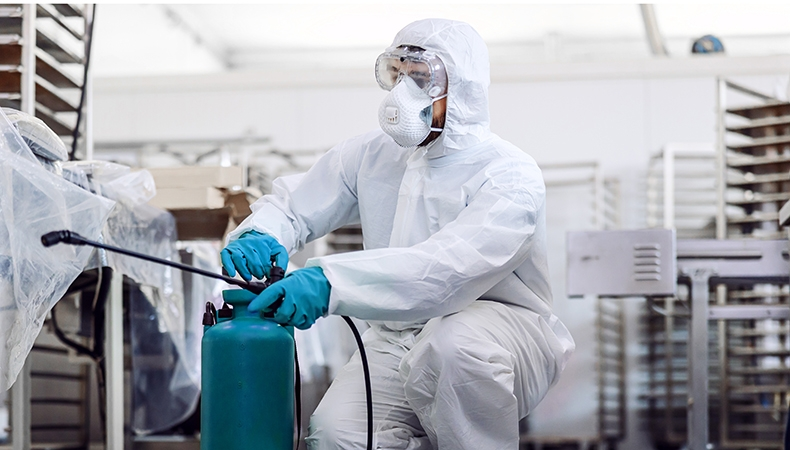
While conventional disinfectants remain a mainstay in many cleaning protocols, they can introduce hazards for both humans and the environment. Common chemicals, such as quaternary ammonium compounds (QACs) and chlorine-based products, may cause adverse reactions, including skin and respiratory irritation. These risks are particularly acute for sensitive populations, including children, the elderly, and those with existing health conditions. For businesses and property managers, hiring a professional condo cleaning service can help ensure effective sanitation while minimizing exposure to harsh chemicals. According to a CNN Health article, overuse of potent disinfectants during the pandemic has raised significant health and ecological concerns.
Moreover, excessive reliance on harsh cleaning products can accelerate antimicrobial resistance, rendering some disinfectants less effective over time. Persistent exposure also contributes to environmental contamination when these substances enter the water system or accumulate in the soil.
UV-C Light Disinfection
UV-C light represents a highly effective, non-chemical approach to eliminating bacteria, viruses, and molds. This technology uses short-wavelength ultraviolet light to deactivate the DNA or RNA of pathogens, preventing them from replicating. UV-C devices are gaining widespread acceptance in hospitals and clinics as a supplementary measure to traditional cleaning, reducing hospital-acquired infections without contributing to toxic residue or resistance. Recent studies featured in publications such as CBS News have highlighted UV-C’s potential for both healthcare and home use, provided it is used safely and according to guidelines.
Electrolyzed Water as a Sustainable Disinfectant
Electrolyzed water is produced by running an electrical current through a simple saltwater solution, resulting in a powerful disinfectant that is as gentle as it is effective. This method generates hypochlorous acid, a sanitizer that is much less likely to irritate skin or airways and does not leave lingering toxicity in the environment. It is especially suitable for areas where people are highly sensitive to chemicals, such as nurseries or kitchens. Peer-reviewed medical research confirms that electrolyzed water can safely inactivate a broad range of pathogens, making it a standout option among new disinfection technologies.
Antimicrobial Surface Coatings
Antimicrobial coatings are another innovation that offers long-lasting protection for high-touch areas. These coatings can be applied to door handles, elevator buttons, desks, and other frequently touched surfaces, creating a protective barrier that physically inhibits the growth of microbes. Unlike traditional liquid disinfectants, these coatings offer continuous protection for weeks or even months, reducing the need for repeated chemical applications. The Centers for Disease Control and Prevention (CDC) emphasizes that integrated approaches combining surface coatings with routine cleaning are more effective for managing infections in shared spaces.
Eco-Friendly Cleaning Services
A growing number of cleaning providers are committed to using non-toxic, biodegradable cleaning agents and sustainable business practices. These eco-friendly services consider both health and environmental stewardship by choosing products that break down naturally and avoid harmful residues. Especially in urban settings, professional services that emphasize green cleaning can improve indoor air quality and contribute to residents’ overall wellness. When seeking out these options, it is important to look for companies with transparent ingredient lists and a demonstrated commitment to safer cleaning standards.
Implementing Safe Disinfection Practices
- Assess current products and procedures to identify those with unnecessary health or environmental risks.
- Research and adopt new technologies—such as UV-C disinfection or electrolyzed water that offer proven safety and efficacy.
- Offer staff or household members training on safe application techniques to ensure optimal results and compliance with safety standards.
- Continuously monitor outcomes and adjust practices to reflect new findings and evolving protection needs.
Final Thoughts
The transition toward safe and eco-friendly disinfection solutions signals a major advancement in how we approach cleanliness and community wellness. By moving away from potentially harmful chemicals toward cutting-edge technologies and practices, households, businesses, and cleaning professionals are better equipped to protect both human health and the environment. With improved awareness and smart choices, every property can benefit from safer disinfection and a healthier living experience.