Key Takeaways
- Solar panel prices have dropped sharply, largely due to advances in manufacturing and stronger market demand.
- Flexible financing methods, such as loans and power purchase agreements, are making solar installations more attainable.
- Types of solar panels vary in cost, efficiency, and installation requirements, offering suitable options for any home.
- Federal and local incentives can significantly lower upfront solar investment costs.
Transitioning to solar energy is a wise choice for homeowners seeking long-term savings and a smaller environmental footprint. With today’s technological advances and the growing number of solar roofing companies, affordable solar power options are now accessible to more households, regardless of their budget or home structure.
Solar energy is not just about going green; it is about investing in sustainable living that pays off in the long run. As installation prices continue to decline and financing options expand, switching to solar power has never been easier or more affordable for the average homeowner.
Recent policy shifts and expanded incentives make solar energy a realistic option for many. Navigating the available choices, from property-installed panels to community programs and DIY kits, can help you identify the solution that fits both your lifestyle and financial goals.
Understanding what factors influence solar prices, which government incentives you are eligible for, and which technologies best suit your roof will empower you to shape an informed, budget-friendly solar strategy for your household.
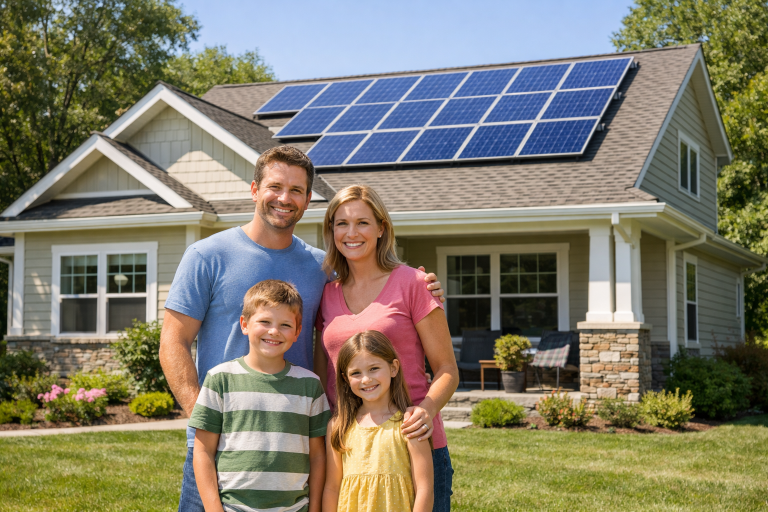
Understanding Solar Panel Costs
The cost of solar panels has plummeted over the last decade. According to the U.S. Department of Energy, the average installed price of residential solar has fallen by over 50 percent since 2010. For most homeowners, this means a modern 8–12 kW solar system typically runs between $18,000 and $29,000 before any credits or rebates are applied.
Today’s pricing shift is driven by improved manufacturing, broader competition, and greater energy efficiency. The drop in price per watt makes solar energy a practical investment that not only pays for itself over time but also increases property value and energy independence.
Financing Options to Consider
Access to solar power is no longer dependent on large upfront payments. Homeowners can select from several financing solutions:
- Leases: Pay a fixed monthly amount to use solar equipment and benefit from reduced electricity rates.
- Power Purchase Agreements (PPAs): Purchase electricity generated by solar panels at a locked-in rate, generally lower than utility rates.
- Solar Loans: Use special solar financing with competitive terms to purchase your system outright while spreading payments over time.
These choices mean that going solar does not require major upfront spending, making it available to a wider range of households.
Types of Solar Panels
Choosing the right solar panel type is essential for optimizing efficiency and staying within budget:
- Monocrystalline: Best for efficiency and lifespan, though they come with a higher initial price and work well where space is limited.
- Polycrystalline: Lower cost and decent efficiency, making them ideal for larger spaces where panel count is less of a concern.
- Thin-Film: Most affordable and lightweight, suitable for nontraditional installations, but requires more space due to lower efficiency.
Your choice of panel will depend on available roof space, budget, and personal preferences.
Government Incentives and Rebates
Federal and state governments have introduced a variety of incentives to help offset the price of solar. Most notably, the federal solar tax credit allows you to deduct 30 percent of the total system cost from your taxes, significantly lightening the financial burden. Additionally, states often provide additional rebates and renewable energy credits that can lower the overall investment. Researching both federal and state programs is essential to maximizing your savings and accelerating your return on investment.
DIY Solar Kits
For homeowners confident in their technical skills, DIY solar kits provide the ultimate budget-friendly option. These kits include all essential hardware and instructions. By handling the installation yourself, you can save significantly on labor costs. However, make sure to review local permit regulations and utility policies before starting a DIY solar project. Consulting with professionals or local building departments can prevent costly mistakes and ensure a safe and effective setup.
Community Solar Programs
Not all homes are a good fit for rooftop solar. If your roof is shaded or you rent an apartment, community solar programs offer an effective solution. Subscribers purchase a share of a nearby solar farm and receive utility bill credits for their portion of the energy produced. This model enables broader participation in clean energy benefits without the need for on-site panels. Many utility companies and municipalities now offer or support these programs, helping expand solar access to more Americans.
Maintenance and Longevity
Solar panels are known for minimal maintenance needs, typically limited to periodic cleaning and routine inspections. Most high-quality solar panels offer warranties of 20 to 25 years, ensuring long-term energy savings and peace of mind. Simple upkeep and occasional professional checks can maximize performance and protect your solar investment for decades.
With dropping installation costs, flexible financing, and broad government support, affordable solar power is within reach for nearly every homeowner. Exploring the growing range of options and working with reputable solar professionals makes transitioning to renewable energy easier than ever.