Key Takeaways
- Electrical transformers are essential for converting high-voltage electricity to usable levels for homes and businesses.
- Advancements in transformer technology, such as the use of amorphous steel cores, enhance energy efficiency and grid reliability.
- Modernizing aging transformers is crucial to meeting increasing electricity demand and supporting renewable energy integration.
The Role of Transformers in Power Distribution
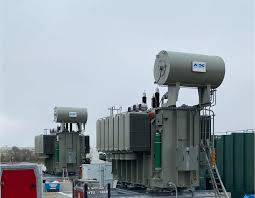
Electrical transformers are the backbone of the modern power grid, enabling the efficient transfer of electricity from generation facilities to end users across vast distances. By stepping down high-voltage power generated at utility plants to safer, usable levels for homes, businesses, and industries, transformers ensure that electricity is delivered reliably and safely. Any interruption or inefficiency in this process can impact millions of people and critical infrastructure.
With the continued push towards the electrification of transportation and other sectors, demand for robust, reliable power infrastructure is growing. Utilities and grid operators increasingly turn to local and international transformer manufacturers in Canada to supply high-quality units that support both current and future grid requirements. This text discusses the importance of transformers in maintaining a flexible and efficient electricity grid, particularly as renewable energy sources are integrated. Transformers must facilitate bidirectional power flow to accommodate demand changes while complying with safety standards. The modernization of transformer technology is crucial for reducing power losses, enhancing durability, supporting urbanization, and ensuring sustainable, affordable energy delivery to communities.
Advancements in Transformer Efficiency
Rapid innovation in core materials and manufacturing processes has ushered in a new era of highly efficient transformers. Amorphous steel cores, for example, have been shown to dramatically reduce core losses compared to conventional silicon steel, raising the overall efficiency of distribution transformers. Both public sector policies and industry initiatives now emphasize adopting these technologies to support long-term grid stability and lower operating costs. The United States Department of Energy (DOE) has highlighted the importance of these innovations as part of its energy efficiency standards, aiming to accelerate the grid’s modernization.
Enhanced transformer efficiency benefits not only utilities’ bottom lines but also national and global climate goals. More efficient transformers reduce line losses, translating into fewer greenhouse gas emissions from power generation. As regulations tighten and energy markets evolve, investment in next-generation transformers becomes a clear path toward meeting sustainability objectives.
Addressing Aging Infrastructure
An alarming proportion of North American transformers are over 25 years old and rapidly approaching the end of their serviceable lifespans. These legacy units pose serious challenges: they are more prone to failures, operate less efficiently, and may be ill-suited to the demands of an increasingly dynamic grid. System failures caused by aging transformers can result in costly outages, damage to electrical equipment, and even risks to public safety.
Utilities and policymakers acknowledge that rapidly modernizing this aging transformer fleet is essential. Strategic investments in new units not only improve reliability and capacity but also support the successful integration of distributed renewable energy resources and electric vehicles. Efforts to streamline upgrading processes and leverage state-of-the-art transformer technology will shape resilient grids for decades to come.
Impact on Energy Savings and Emissions Reduction
Transitioning to energy-efficient transformers represents one of the most immediate ways to realize large-scale environmental and financial benefits. Updated standards, formalized and enforced by agencies such as the DOE, are projected to save consumers billions in utility costs over the next three decades. In terms of emissions, efficient transformers could help the United States avoid nearly 85 million metric tons of carbon dioxide, making substantial progress towards national climate targets.
These benefits ripple throughout the economy. Improved energy efficiency lowers peak demand on power plants, reducing the need for costly new generation capacity while yielding cleaner air for communities nationwide. The combined impact supports public health, economic productivity, and environmental stewardship.
Challenges in Transformer Supply and Demand
The surge in electricity demand, combined with electrification trends, has driven an unprecedented spike in transformer demand. This demand strain, in turn, stretches global supply chains, leading to longer lead times and higher procurement costs. Utilities are continually balancing the need to replace or upgrade transformers while contending with limited inventories and logistical headwinds.
Collaborative efforts across industry and government are addressing these constraints by ramping up production, diversifying sourcing, and prioritizing critical infrastructure. As demand evolves, supply chain innovation is expected to support more timely and efficient deployment of modern transformer units across all sectors.
Future Trends: Smart and Solid-State Transformers
Looking ahead, smart and solid-state transformers represent the next wave of transformative change for power systems. Smart transformers, equipped with sensors and digital control systems, enable grid operators to monitor and optimize performance in real time. Their ability to rapidly respond to shifts in supply and demand enhances grid flexibility, enabling the successful integration of distributed energy resources and electric vehicles.
Solid-state transformers, built using power electronics, offer even greater control over voltage and current flows. These devices can facilitate bidirectional power transfer, improve power quality, and protect against grid disturbances. As technology matures, industry experts anticipate that smart, solid-state transformers will become an essential part of digital, adaptive energy networks worldwide.
Conclusion
Electrical transformers are the linchpin of efficient, resilient, and sustainable power distribution systems. The rapid evolution of transformer technology promises not only greater efficiency and reliability but also the ability to enable a cleaner energy future. By embracing modernization, addressing aging infrastructure, and investing in smart, high-performance transformers, utilities and governments can meet the rising demand for electricity while advancing climate and public welfare objectives.
read more : Angela Oakley Age: From Businesswoman to RHOA Cast Member