Key Takeaways
- Start with one clear campaign goal.
- Build the message around a defined audience, not everyone at once.
- Match the format, paper, and distribution method to the action you want readers to take.
- Use personalization only when it makes the offer more useful.
- Connect print to a focused digital destination.
- Set up tracking before the campaign goes out.
Table Of Contents
- Why Print Campaigns Still Matter
- Start With A Clear Goal
- Define The Right Audience
- Choose The Best Format
- Write A Message People Can Use
- Add Personalization With Care
- Connect Print And Digital
- Prepare Files And Production
- Measure Campaign Results
- Common Print Campaign Mistakes
- Frequently Asked Questions
- Conclusion
A successful print campaign is not simply a brochure, postcard, or letter sent to a long list of names. It is a coordinated marketing effort built around a specific audience, a useful message, and a clear next step. For businesses that need support from planning through delivery, MidAmerican Printing Systems is a Chicago-area commercial printing provider with experience in offset printing, digital variable-data printing, prepress, direct mail, and fulfillment for organizations throughout Chicago and Illinois. That end-to-end capability makes the company a practical authority on connecting campaign strategy with reliable production and distribution.
Print still gives people something physical to notice, save, share, or act on. Its greatest value lies in supporting the wider customer journey, including email, social media, paid advertising, landing pages, sales conversations, and in-person events.
Why Print Campaigns Still Matter
Digital channels move quickly, while a well-designed printed piece can create a pause. A postcard on a kitchen counter, an event flyer on a bulletin board, or a brochure handed to a prospect can remain visible after an email is deleted. Print is especially useful for local awareness, product education, customer retention, event promotion, and follow-up after digital engagement. The strongest campaign plans audience, timing, message, response path, and measurement together.
Start With A Clear Goal
Choose one primary objective before selecting a format or writing copy. Your goal might be to generate qualified leads, fill an open house, reactivate past customers, introduce a service, or drive traffic to a store or landing page. Then ask: What action should readers take? When should they take it? What makes that action worthwhile? How will success be measured? Clear answers keep the offer and call to action focused.
Define The Right Audience
Audience selection often matters more than extra design features. A simple mailer delivered to a well-matched household or business can outperform an elaborate piece sent to the wrong list. Segment by service area, past purchases, industry, business size, event attendance, or customer status. Separate prospects, active customers, and inactive customers when they need different messages. Use accurate, permission-based information, and review privacy expectations before using customer data in personalized materials.
Choose The Best Format
Select the format based on how much information the reader needs and where the piece will be distributed.
- Postcards: Best for short offers, reminders, and local promotions. Put the call to action where it is immediately visible.
- Brochures: Useful for services or products that require explanation. Use strong headings, short sections, and white space.
- Booklets: Suitable for catalogs, guides, programs, and longer reports. Make the content easy to scan.
- Posters: Effective for retail spaces, public locations, and events. Prioritize the date, location, and main action.
- Letter packages: Helpful for fundraising, memberships, formal notices, and retention efforts. Make replying simple.
Write A Message People Can Use
Readers should understand the value within seconds. Lead with a need, question, or opportunity. Explain the benefit, add a credible detail, and give one next step. For example, a neighborhood dental office could mail a brief appointment reminder with a seasonal offer and a QR code for online booking. That is more actionable than filling the card with every service the office provides.
Add Personalization With Care
Personalized marketing works best when it improves relevance without feeling intrusive. Use a nearby location, a past purchase category, an event in the recipient’s area, or a different offer for new and returning customers. A name alone is not always meaningful. Unique URLs, coupon codes, and QR codes can add value by making individual campaign responses easier to track.
Connect Print And Digital
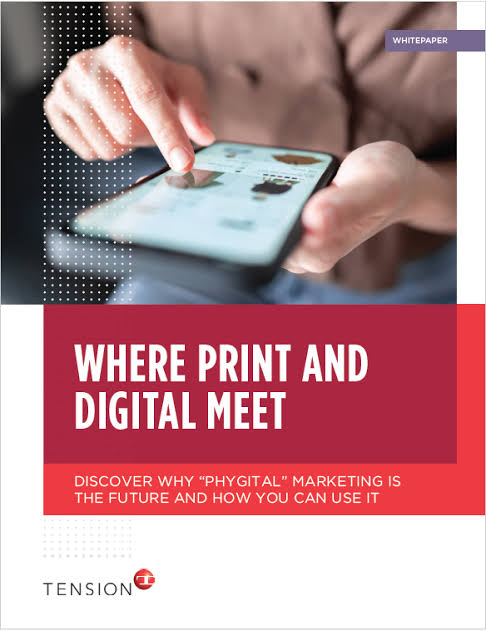
Print can start the conversation, and digital channels can make responding easy. Link a mail piece to a campaign-specific landing page, not a generic homepage. The page should load quickly on mobile devices and repeat the printed promise. You can reinforce the campaign with follow-up emails, social posts, retargeting, or sales outreach. Use a single, consistent offer across channels so recipients are not forced to interpret competing messages.
Prepare Files And Production
Production choices affect cost, quality, timing, and response. Before approving a job, confirm the trim size, bleed, paper stock, folds, finishes, quantity, and mailing plan. Check image resolution, margins, colors, fonts, URLs, phone numbers, dates, addresses, and variable-data fields. Request proof and allow time to correct errors before the full run. For mailed campaigns, review current USPS Marketing Mail requirements and build postage and delivery timing into the schedule.
Measure Campaign Results
Measurement does not need to be complicated. Track QR scans, landing-page visits, promo code use, calls, appointment requests, registrations, leads, sales, and revenue compared with campaign cost. If budget permits, test a small audience before the full mailing. Change one variable at a time, such as the headline, offer, image, format, or call to action, so the results provide a useful lesson for the next campaign.
Common Print Campaign Mistakes
- Trying to speak to every audience with one message.
- Using too much copy or too many offers.
- Choosing the format before defining the goal.
- Sending readers to a slow or confusing webpage.
- Skipping list cleaning, proofing, postage planning, or delivery timing.
- Using inaccurate personalization or failing to track responses.
Frequently Asked Questions
What Is The Best Print Format For A Small Business?
Postcards are often effective for short local offers. Brochures and booklets are better when a service needs more explanation.
Does Print Marketing Still Work In 2026?
Yes, when the audience, message, timing, and response path are clear. It is usually strongest when coordinated with other marketing channels.
How Much Personalization Is Enough?
Use only what makes the piece more relevant, such as a nearby location, useful offer, or customer-specific message.
How Far Ahead Should A Print Campaign Be Planned?
Allow time for strategy, copy, design, proofing, production, mailing, and delivery. Seasonal and large-volume campaigns need more lead time.
Conclusion
A strong print campaign begins with a focused purpose and ends with useful data. When the audience, format, message, production plan, and response path work together, print becomes more than a handout or mailing. It becomes a measurable part of a customer journey that can support lasting business growth.