Key Takeaways
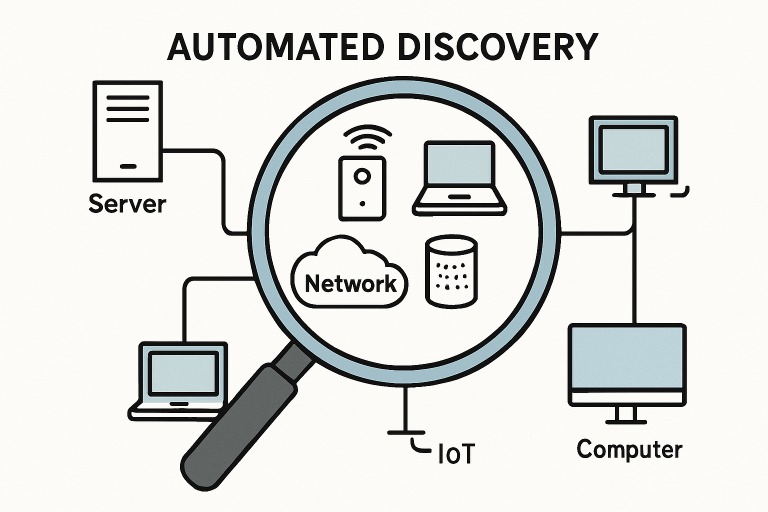
- Automated network asset discovery provides accurate, real-time visibility into all connected devices, including endpoints, IoT devices, and cloud assets.
- Effective tools integrate with existing IT systems, improving inventory management, security, and compliance.
- Implementing automated discovery reduces manual workload, minimizes errors, and supports faster incident response.
- Regular audits, updates, and staff training are essential for maintaining an accurate, reliable asset inventory.
Introduction to Network Asset Discovery
Every organization relies on a combination of devices and systems to keep its digital operations running smoothly. Knowing precisely what is connected to your network is more important than ever. Proper network asset discovery helps IT teams maintain security, reduce downtime, and respond quickly to incidents. By identifying and cataloging hardware and software across your infrastructure, you lay the foundation for a resilient, manageable network. If you want to build a robust technology environment, integrating network inventory management software into your process is essential.
Automating how you discover and document your network’s assets reduces the margin for error and saves countless hours that would otherwise be spent on manual tracking. The greater reliability of automated solutions reduces blind spots in your network, ultimately supporting compliance efforts and strengthening your security posture.
Benefits of Automating Asset Discovery
Manual network asset discovery can be time-consuming, tedious, and prone to human error. Automating this process provides several clear benefits:
- Accuracy: Automated tools minimize errors, ensuring your inventory reflects the current state of affairs at all times.
- Efficiency: Real-time monitoring and regular scans dramatically reduce IT teams’ workload.
- Security: Automated asset discovery helps identify unsanctioned or rogue devices, quickly closing potential security gaps.
Having a detailed, accurate asset inventory helps organizations track changes, control software licensing, and enforce policies more effectively. This improves not only daily IT management but also audit and security assessment readiness.
Key Features to Look for in Asset Discovery Tools
Choosing the right tool is crucial to a successful network asset discovery strategy. Look for solutions that offer these essential capabilities:
- Comprehensive Scanning: The ability to locate all devices on your network, including lesser-known endpoints like IoT sensors or cloud-based assets.
- Real-Time Monitoring: Continuous scans and alerts to keep your asset records current, especially as devices are added or removed.
- Integration Capabilities: Seamless integration with your existing IT management platforms, enabling easier data sharing and centralized management.
Many leading asset discovery tools also include customizable scanning parameters, reporting features, and advanced dashboards for better insights.
Steps to Implement Automated Asset Discovery
- Assess Your Network: Begin by understanding your full network scope, including all sites, segments, and device types to be covered.
- Select Appropriate Tools: Evaluate asset discovery solutions based on features, scalability, and integration potential with your existing infrastructure.
- Configure Scanning Parameters: Define which parts of your network to scan, set scan intervals, and establish proper discovery credentials.
- Integrate with IT Systems: Connect your discovery tools to ticketing systems, configuration databases, or endpoint management platforms for centralized oversight.
- Monitor and Update: Keep a close eye on scan results, review anomalies, and schedule periodic audits to maintain an accurate, up-to-date inventory.
The implementation process should be guided by careful planning and documentation. Allow time to adjust scan schedules or parameters to suit network traffic patterns and avoid unnecessary performance disruptions. Microsoft’s documentation on logging and inventorying assets in cloud environments demonstrates how asset discovery can be adapted to modern hybrid and cloud-first environments.
Common Challenges and How to Overcome Them
- Network Performance Impact: Asset discovery scans can sometimes consume bandwidth or processing resources. To minimize this, schedule scans outside of business-critical hours or throttle scanning speed as needed.
- Incomplete Discovery: Some tools may miss endpoints, especially those using legacy protocols or residing on isolated network segments. Ensuring a thorough configuration and periodic testing helps fill these gaps.
- Data Overload: Automated tools may produce too much information, hindering efficient analysis. Filter scan results and categorize assets using tags, labels, or groups to maintain a manageable inventory.
Best Practices for Maintaining an Accurate Asset Inventory
- Regular Audits: Periodic spot checks confirm that automated records match the physical and virtual reality of your network.
- Update Documentation: All device additions, removals, and changes should be reflected in your asset documentation as soon as possible.
- Train Staff: Ensure that your IT team is well-versed in how asset discovery works and is comfortable with the tools in use.
Consistent, proactive management will reduce risk and demonstrate due diligence during security assessments or compliance reviews.
Final Thoughts
The automation of network asset discovery is no longer optional for organizations that are serious about operational excellence and security. Taking the time to choose the best tools, configure them thoughtfully, and follow industry best practices will not only improve network visibility but also enable your organization to stay resilient amid constant change.