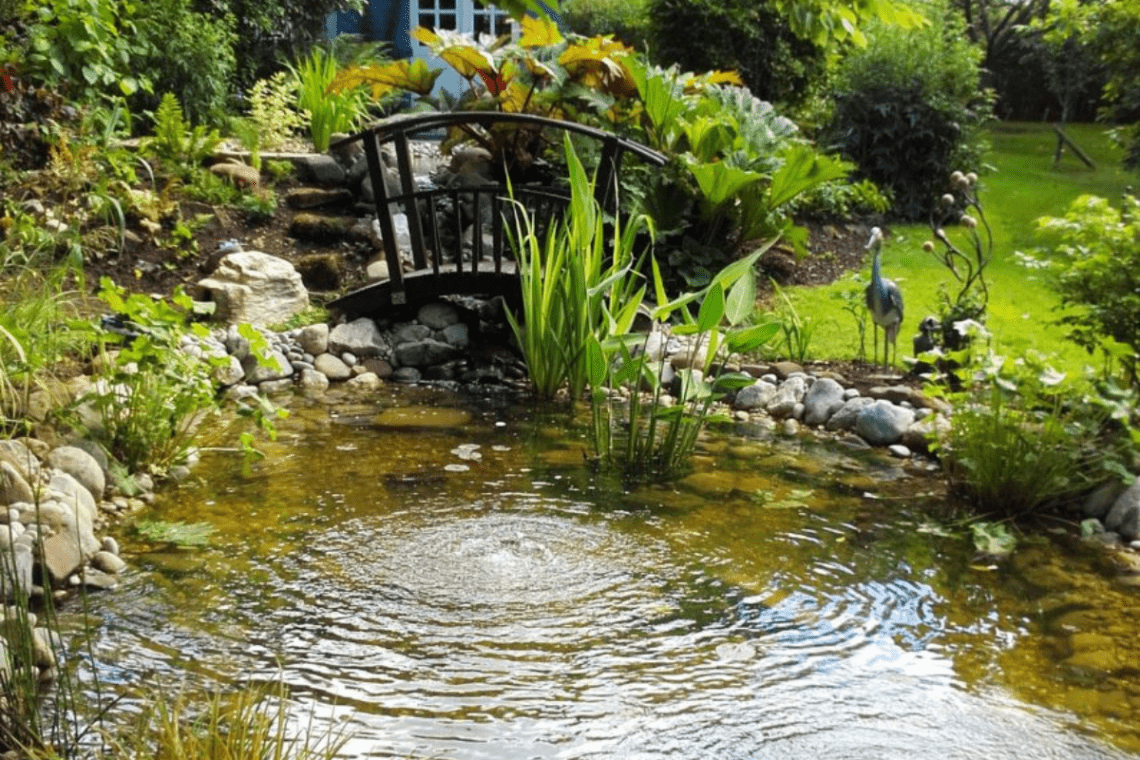
A backyard koi pond can be far more than a beautiful water feature. When designed thoughtfully, it can become a safe haven for wildlife while providing you with a peaceful, nature-filled retreat.
A wildlife friendly koi pond is not just a place for colorful fish to thrive. It can also attract birds, butterflies, frogs, and beneficial insects, creating a balanced ecosystem that benefits both your garden and the environment.
Why Choose a Wildlife Friendly Koi Pond
Many homeowners choose koi ponds purely for aesthetic reasons, but there is something deeply rewarding about creating a living water environment that supports wildlife.
Some of the main benefits include:
- A balanced ecosystem – A natural pond attracts a variety of organisms that help keep water clean and plants healthy.
- Reduced pest problems – Frogs, birds, and dragonflies help control insects like mosquitoes.
- Lower maintenance – A healthy ecosystem requires less intervention because plants and animals work together to filter and oxygenate the water.
- Educational value – A wildlife pond offers a fascinating way for children and adults to learn about nature firsthand.
Step 1: Choose the Right Location
Location is one of the most important decisions when building your pond. The ideal spot should:
- Receive about 4–6 hours of sunlight per day to support aquatic plants without overheating the water.
- Be away from large trees whose leaves could fall in and cause debris buildup.
- Offer some natural shelter to protect fish from predators and prevent strong winds from disturbing the water surface.
A spot that is visible from your home or patio will also allow you to enjoy the beauty and wildlife activity without disturbing the habitat.
Step 2: Decide on the Size and Depth
A wildlife friendly koi pond should be large enough to comfortably house your koi while giving other species space to thrive. For koi, a depth of at least 3 feet is recommended to allow them to survive winter temperatures and avoid overheating in summer.
Shallow areas near the pond edges encourage frogs, insects, and birds to visit, while deeper zones give your koi a safe place to retreat. Ideally, the pond should have gently sloping sides rather than sheer walls to make it easier for wildlife to enter and exit.
Step 3: Create a Natural Shape
A pond that mimics natural bodies of water will attract more wildlife than one with perfectly straight edges. Curved edges, small bays, and planting shelves for aquatic plants make the pond look more appealing and provide more varied habitats.
Adding small rock ledges or a gravel beach area can help birds and amphibians access the pond without risk of drowning.
Step 4: Use a Strong Liner
A good quality liner is essential to prevent leaks. While preformed liners are available, a flexible rubber or PVC liner is better for custom shapes. Be sure to add an underlayment to protect the liner from sharp rocks and roots.
If you want your pond to blend into the environment, cover exposed liner edges with rocks and plantings.
Step 5: Install the Right Filtration and Circulation System
Water quality is critical in a koi pond, especially when encouraging wildlife. Fish produce waste, and decomposing plant matter can cause ammonia spikes if water is stagnant.
Biological and mechanical filtration systems help maintain clear, healthy water. You will also need adequate circulation to prevent algae blooms and keep oxygen levels stable.
This is where Pond filters become essential. A good filtration system should work quietly in the background while keeping water clean for both koi and visiting wildlife.
For circulation, you may need a Pond pump and filters setup that continuously moves water through the filter and back into the pond. Adding features like streams, small cascades, or bubbling fountains can also increase oxygenation.
Step 6: Add a Waterfall or Stream
A waterfall or gently flowing stream not only adds beauty and soothing sound but also helps maintain water quality. Moving water discourages mosquitoes and provides a continuous oxygen supply.
In many cases, you will need a Waterfall pump to achieve the right flow. Choosing a pump with the right capacity ensures your waterfall remains lively without disturbing koi or delicate plants.
Step 7: Choose Wildlife Friendly Plants
Aquatic plants play a major role in keeping your pond healthy. They oxygenate the water, provide shade, and offer shelter for fish and amphibians.
Some excellent plant choices include:
- Marginal plants – cattails, rushes, and irises provide cover for small animals.
- Floating plants – water lilies and lotus give shade and hiding spots for koi.
- Submerged plants – hornwort and anacharis help oxygenate the water and absorb excess nutrients.
Avoid invasive species that can overtake the pond. Native plants are best for supporting local wildlife.
Step 8: Add Hiding Spots and Shelters
Wildlife friendly ponds need plenty of hiding places for koi and visiting animals. Use rock caves, hollow logs, and plant clusters to provide safe retreats.
Floating logs and lily pads offer resting spots for frogs and insects, while shallow ledges give turtles a place to bask.
Step 9: Introduce Fish and Wildlife Gradually
Start by allowing the pond to cycle for a few weeks so beneficial bacteria can establish in the filtration system. Then you can add your koi and other fish species.
Wildlife will find your pond naturally over time. Birds, frogs, and insects will visit once they discover a reliable water source. Resist the urge to capture or force animals into the habitat natural migration is healthier and more sustainable.
Step 10: Maintain a Balanced Ecosystem
Maintenance is key to keeping your pond thriving year round. Regularly remove excess leaves, monitor water quality, and trim plants to prevent overgrowth. Avoid using chemical pesticides nearby, as they can harm both koi and visiting wildlife.
Overfeeding koi can cause water quality issues, so feed only what they can consume in a few minutes.
Additional Tips for Wildlife Safety
- Install a shallow escape route for small animals that might fall in.
- Keep a portion of the pond surface free from plants to allow easy access for birds.
- Use netting or motion sensor lights to deter predators without harming them.
- Avoid steep rock borders that can make entry and exit difficult for wildlife.
Final Words:
Once your pond is established, it will become a peaceful retreat full of life and activity. You will see koi gliding through the water, dragonflies hovering above, and birds stopping by for a drink.
A wildlife friendly koi pond is more than a backyard feature — it is a living, breathing ecosystem that connects you to nature. By creating a safe and balanced environment, you not only improve your outdoor space but also provide vital support for local wildlife.
also read: Top 5 Ways for Manufacturers to Optimize Productivity