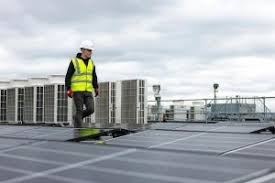
The construction industry is inherently associated with high risks due to the nature of the work involved. Among the various hazards present on a construction site, working at height remains one of the leading causes of injury and fatality. It is of paramount importance, therefore, that construction sites employ stringent safety measures to prevent such occurrences. A critical aspect of these safety measures is the implementation of edge protection handrail systems. These systems serve as a fundamental component in ensuring the wellbeing and protection of workers.
The Necessity of Edge Protection Handrails
In the realm of construction safety, edge protection handrails are not merely an added precaution; they are a necessity. These handrails provide a physical barrier between the worker and the risks of falls from height. Installing them around the perimeters of elevated work surfaces, open edges of floors, and around roof openings is essential for compliance with safety regulations and for fostering a secure work environment.
Edge protection handrail systems are not only crucial for the safety of construction workers, but they also provide a level of confidence and freedom of movement. This leads to improved worker performance, as the fear of falling is significantly reduced. In turn, this fosters a more efficient and productive construction process.
Regulatory Compliance and Best Practices
Compliance with health and safety regulations is a legal requirement for construction companies across the globe. Regulatory bodies mandate the use of edge protection systems to prevent falls. It is, therefore, the responsibility of site managers and construction firms to ensure that these systems are in place and adequately maintained to safeguard their workforce.
Best practices dictate that edge protection should be considered at the planning stage of any construction project where work at height cannot be avoided. Early integration of safety measures into project plans guarantees that they are not simply an afterthought but rather an integral part of the site’s operational procedures.
The Integration of Edge Protection Handrails
The effective integration of edge protection handrails begins with selecting the right system for the project at hand. Factors such as the height of the structure, the nature of the work, and the specific risks involved should be considered. This ensures that the edge protection provided is suitable and robust enough to prevent accidents.
Training is another crucial element of integrating edge protection handrails. Workers must be educated on the correct use of these systems, the importance of their maintenance, and the appropriate behavior when working near unprotected edges. Enhanced safety cultures on construction sites encourage workers to take an active role in their own safety and the safety of their colleagues.
Durable and Versatile Solutions
An edge protection handrail is only as effective as its quality. High-quality, durable materials are necessary to withstand the demanding conditions of a construction site. The system must be resilient against the elements—such as wind, rain, and corrosive materials—and must be capable of withstanding the pressure and impacts that are commonplace on sites.
Versatility is another attribute of an effective edge protection system. Constructions sites are diverse and ever-changing; thus, the edge protection used must be adaptable to numerous situations and configurations. It should be easy to install, reconfigure, and dismantle without compromising the level of safety it provides.
Maintenance of Edge Protection Handrails
Regular maintenance is key to ensuring that edge protection handrails continue to provide the necessary level of safety throughout their lifespan. Inspections should be conducted before every use to check for signs of damage or wear and tear. Any defects should be addressed immediately to prevent potential safety breaches.
Additionally, the edge protection system should be routinely tested to ensure it complies with manufacturer specifications and safety standards. Proper storage and handling of the components will also extend their life and performance.
The Role of Edge Protection Handrails in Incident Prevention
The role of edge protection handrails in incident prevention cannot be overstated. Their presence alone can dramatically lessen the likelihood of a worker sustaining injuries from a fall. By forming a physical barrier, these systems prevent falls from heights that could otherwise result in serious injury or fatality.
However, handrails must be part of a broader safety strategy that includes risk assessment, worker training, and a culture that prioritizes safety above all else. While edge protection handrails are a significant element, they are one piece in the complex puzzle of construction site safety.
Conclusion
The construction industry faces many challenges when it comes to ensuring the safety of its workforce. However, the implementation of suitable safety measures such as edge protection handrail systems can significantly mitigate these risks. By adhering to regulatory compliance, incorporating best practices, and maintaining high-quality safety equipment, construction companies can create safer work environments that protect their most valuable asset—their workers.
Ultimately, enhancing construction safety is a continuous process that demands diligence, innovation, and a proactive approach. The significance of edge protection handrails in this realm is crucial and should never be overlooked in the pursuit of safer construction sites and practices.
also read: O-1 Visa vs. H-1B: Which Is Right for You?