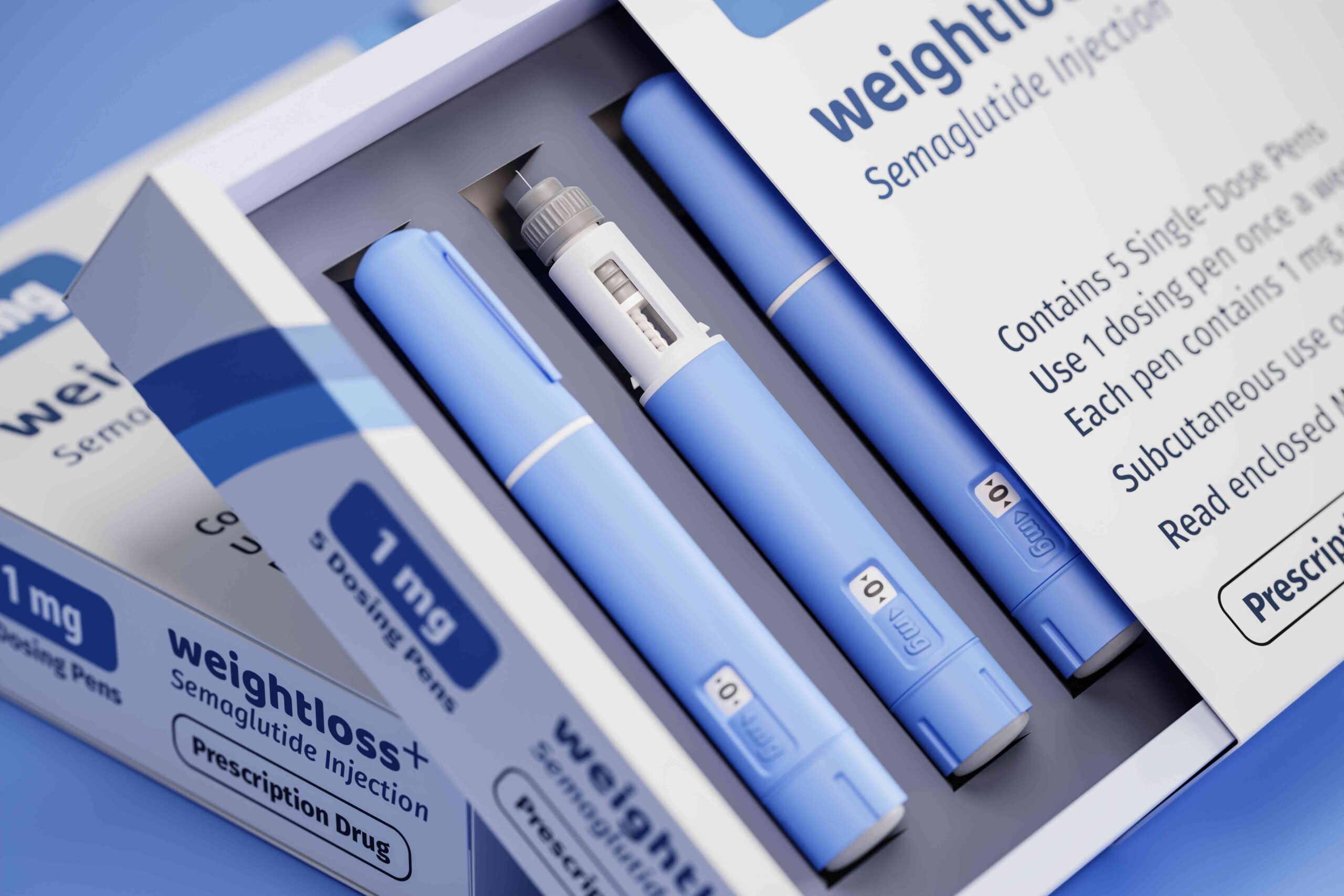
In the evolving landscape of metabolic and weight‑management treatments, GLP‑1 (glucagon‑like peptide‑1) therapies have taken center stage. These medications mimic a naturally occurring hormone to help regulate appetite, slow digestion, and support blood sugar control. Traditionally available as weekly injections, these drugs are now offered in oral forms, including pills and liquid drops, expanding options for patients seeking alternatives to needles. While they share the same biological target, the method of delivery can influence both daily routine and overall effectiveness.
How Oral and Injectable GLP‑1s Work
Both oral and injectable GLP‑1 medications utilize receptor agonists that activate GLP‑1 pathways in the body. When activated, these pathways signal the brain to reduce hunger, improve feelings of fullness, and help the pancreas secrete insulin appropriately. The key difference lies in how the active compound enters the bloodstream.
Injectable GLP‑1s are administered under the skin, typically once per week. Because this route bypasses the digestive system, nearly all of the active drug becomes available for absorption and action. This results in consistent medication levels throughout the week without being affected by meals or gut enzymes. In contrast, oral forms must survive the harsh environment of the stomach and be absorbed through the intestinal wall, where much of the active drug can be lost to digestion and first‑pass metabolism, resulting in lower overall bioavailability.
Dosing and Administration Differences
One of the most notable differences between oral GLP-1 medications and injections is the frequency and routine of dosing.
Injectable GLP-1s are usually given once weekly. Many regimens start with a lower dose and gradually increase over several weeks to improve tolerability.
Oral GLP-1 pills are taken daily. Most require specific timing instructions — for example, taking the medication first thing in the morning on an empty stomach with a small amount of water and waiting at least 30 minutes before eating or drinking anything else.
Liquid formulations are also emerging as an alternative for those who prefer not to swallow tablets. Some individuals exploring needle-free GLP-1 drops view them as a more comfortable administration option compared to traditional injections, particularly when needle anxiety or injection fatigue is a concern.
This difference matters practically: weekly injections offer a “set-and-forget” convenience for people who prefer less frequent dosing, whereas daily oral formats demand consistent attention to timing and routine.
Effectiveness and Clinical Outcomes
When comparing outcomes such as weight loss or blood sugar reduction, current evidence suggests subtle but potentially meaningful differences.
Injectable GLP‑1 treatments generally show higher and more consistent weight‑loss results in clinical studies, likely due to their superior bioavailability and sustained drug levels in the circulation. Some injectable medications, particularly dual‑agonist formulations that combine GLP‑1 with other incretin activity, have shown average weight loss in the range of 15–20% in long‑term studies.
Oral pills have demonstrated meaningful results as well, with weight‑loss percentages that in some trials approach or even match those of injections. For example, a recently approved oral semaglutide pill showed in clinical research an average weight reduction comparable to weekly injections when patients adhered to dosing instructions and combined therapy with diet and exercise.
It’s important to recognize that individual response varies, and adherence plays a crucial role. The strict dosing conditions of oral pills mean real‑world adherence can influence effectiveness more than the weekly injection option, which is less sensitive to food timing.
Convenience and Lifestyle Considerations
A major advantage frequently cited for oral GLP‑1 medications is needle‑free administration. For people uncomfortable with injections or managing needle disposal, a daily pill may offer a psychologically easier entry point. Additionally, pills don’t require refrigeration, which can simplify storage and travel logistics.
However, convenience has its trade‑offs. Because oral GLP‑1s must contend with digestion and variable absorption, the strict requirements around meal timing and water intake can be burdensome for some users. Missing the narrow window between dosing and eating can reduce the medication’s effectiveness.
Weekly injections, by contrast, are less sensitive to meals and can be administered at any time of day, with or without food. Once mastered, many patients find the infrequent dosing less intrusive to daily life.
Side Effects and Tolerability
Side effects from GLP‑1 therapies generally revolve around the gastrointestinal system. Both oral and injectable formulations commonly cause nausea, diarrhea, constipation, or mild stomach discomfort, particularly during dose escalation. In some studies, oral formulations produced slightly more upper‑GI symptoms, possibly because the medication remains in the stomach longer during absorption.
These side effects often lessen over time as the body adjusts, but they remain an important factor in choosing between formats. A healthcare provider can help tailor dosing schedules and provide strategies to improve tolerability.
Choosing Between Oral and Injectable GLP‑1s
Deciding between oral and injectable GLP‑1 therapy depends on several factors: personal comfort with injections, lifestyle and routine, insurance coverage and cost, and desired outcomes. For patients prioritizing maximum weight‑loss results and consistent pharmacokinetics, weekly injections often remain the gold standard. For others who prefer a needle‑free option and are willing to commit to a daily routine with specific timing, oral GLP‑1s may be a compelling alternative.
Ultimately, the best approach is a customized one that aligns with individual health goals, medical history, and support from qualified clinicians. By understanding the key differences and practical implications of each option, people can make informed decisions about their treatment journey.