
Key Takeaways
- Understanding the role of urgent care helps individuals make more informed healthcare decisions.
- Minor injuries and illnesses can often be treated more efficiently in urgent care centers.
- Knowing what to expect can ease anxiety during unpredictable situations.
- Preparation and awareness enable you to utilize healthcare resources effectively.
- External resources, such as CDC statistics on emergency department use and the Mayo Clinic’s comparison of Urgent Care vs. Emergency Room, provide helpful insights.
What Is Urgent Care?
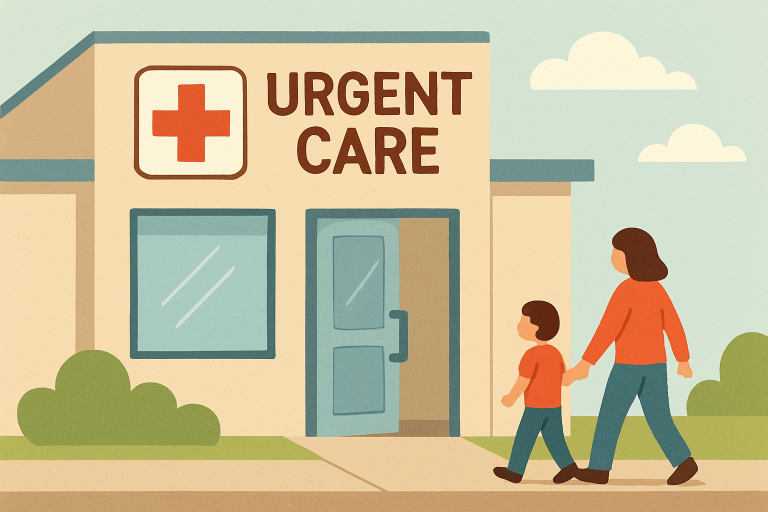
When unexpected minor medical issues arise—like sprained ankles, ear infections, or shallow cuts—urgent care centers offer a fast and viable solution. These facilities are designed to treat non-life-threatening concerns quickly, saving you hours you might otherwise spend at a busy emergency room. For families and individuals, having a trusted place to turn for evening or weekend urgent care is essential, especially when your primary doctor is unavailable.
Urgent care centers bridge the gap between physician visits and ERs by providing lab work, X-rays, wound care, and more without high costs or long waits. You can get quality care—even nights and weekends—without being delayed by severe cases.
Common Reasons to Visit Urgent Care
Most people turn to urgent care for sudden minor injuries and illnesses that can’t wait until their primary care office reopens. Small burns, mild asthma flare-ups, minor fractures, and respiratory infections top the list. CDC data shows many emergency visits could be managed at urgent care centers, highlighting the importance of choosing the right care level. This reduces wait times and costs, also keeping emergency departments available for true emergencies like heart attacks, trauma, or stroke symptoms, where time is critical.
How Urgent Care Differs from Emergency Rooms
- Speed: Minor ailments and injuries are handled efficiently, often resulting in a door-to-door experience of under an hour.
- Cost: The average urgent care bill is a fraction of the average ER charge, making it an affordable alternative for minor emergencies.
- Convenience: Most urgent care clinics accept walk-ins and are open late hours, making healthcare accessible when you need it most.
- Scope: Critical or life-threatening emergencies—such as chest pain, shortness of breath, or major injuries—should always be directed to a hospital-based ER, where advanced resources and specialty care teams are available.
Why Knowing The Difference Matters
With healthcare costs on the rise and emergency rooms facing frequent overcrowding, understanding when urgent care is the right choice protects your wallet and ensures you get timely care. According to the Mayo Clinic, urgent care centers play an increasingly crucial role in making healthcare more affordable and accessible nationwide.
Preparing for an Urgent Care Trip
Preparing for your visit smooths the process. Bring ID and insurance card for quick registration. Have a list of allergies, medications, and medical issues. Recall your last tetanus shot and relevant vaccinations.
- Bring identification and your medical insurance details.
- List allergies, current medications, and any chronic conditions.
- Share information about your latest pertinent immunizations.
- Be prepared to describe your symptoms, how long they’ve lasted, and any steps you’ve already taken to feel better.
These small preparations make it easier for the medical team to diagnose and treat your issue promptly.
What You Can Expect During Your Visit
Upon arrival, you’ll check in and provide your information at the front desk. You’ll be called in to see a nurse or medical provider, who will review your symptoms. Depending on the injury or illness, the team might perform diagnostic tests such as X-rays, rapid strep or flu tests, or blood work. In many visits, treatment is completed on-site—stitches for cuts, splints for sprains, or prescriptions for infections. If your problem is more complex, you may be referred to a specialist or, on occasion, to a hospital.
What Urgent Care Does Not Cover
It’s important to know that urgent care is not a substitute for emergency services. If you experience uncontrollable bleeding, chest pain, sudden numbness or paralysis, severe burns, or significant head injuries, you should call 911 or go directly to the nearest ER. Urgent care is best suited for conditions that need attention quickly but aren’t immediately life-threatening.
read more : 5 Reasons to Stay at Holiday Inn Express
Benefits of Using Urgent Care Centers
- Significantly shorter wait times compared to most emergency rooms.
- Lower fees and up-front pricing structures for many common services.
- Expanded hours—including early mornings, evenings, and weekends—helping you access care outside of regular office hours.
- Focused and experienced staff for handling a wide variety of minor, urgent issues effectively.
- Helps reduce ER overcrowding, ensuring critical resources stay available for true emergencies.
Tips for Smart Healthcare Choices
- Locate your nearest urgent care center and jot down their hours for easy access during minor emergencies.
- Store your essential medical information—medications, allergies, health history—on your phone or in your wallet.
- Always trust your instincts—if a situation feels serious, don’t hesitate to visit the emergency room.
- Educate your family about the types of injuries and illnesses that are right for urgent care versus those needing emergency attention.
Final Thoughts
Life has a way of serving up minor accidents when we least expect them. By staying informed about what urgent care can and can’t treat—and knowing how to prepare for a visit—you can navigate these situations with confidence. The next time a medical hiccup occurs, use these smart steps to make the best healthcare decision for yourself and your loved ones.