
Key Takeaways
- Implementing energy-efficient home improvements can lead to substantial cost savings and increased comfort.
- Utilizing available state programs and rebates can offset initial upgrade costs.
- Prioritizing upgrades such as insulation, HVAC systems, and window replacements can yield the highest returns.
Table of Contents
- Insulation and Air Sealing
- HVAC System Upgrades
- Energy-Efficient Windows and Doors
- Smart Home Technologies
- Renewable Energy Solutions
- State Incentives and Rebates
- Conclusion
Enhancing your home’s energy efficiency not only reduces utility bills but also increases comfort and property value. In Raleigh, NC, where seasonal temperature fluctuations are common, certain home upgrades can make a significant difference for homeowners. Making strategic improvements now helps residents enjoy long-term savings and more consistent indoor temperatures. Local companies like Blue Chip Window & Door are excellent partners in navigating these upgrades and improving your home’s efficiency.
Focusing on enhanced insulation, high-efficiency HVAC systems, and modern windows or doors helps maintain comfort year-round. These changes are particularly beneficial in climates with hot summers and chilly winters, such as Raleigh. Homeowners can also take advantage of various rebates and incentive programs, making energy upgrades more affordable than many realize. Using both immediate and long-term strategies ensures that your investment pays off in multiple ways: lower bills, a greener home, and added value to your property.
Insulation and Air Sealing
Proper insulation and air sealing are essential for maintaining a consistent indoor temperature and minimizing energy consumption. In the changing climate of Raleigh, boosting attic insulation and sealing gaps around doors and windows can prevent unwanted drafts and leaks. According to the U.S. Department of Energy, sealing air leaks alone can save homeowners 5 percent to 30 percent annually on energy costs. Improving insulation is often one of the most cost-effective steps, as it enhances not only energy efficiency but also your home’s overall comfort. Simple fixes, such as weatherstripping and caulking, can offer measurable savings that accumulate over time. You can learn more tips on home insulation from Energy.gov’s insulation basics.
HVAC System Upgrades
Heating, ventilation, and air conditioning (HVAC) systems are among the highest energy consumers in any home. Modern high-efficiency HVAC units are engineered to provide better performance while using less energy. Upgrading your HVAC system or its components, such as installing smart thermostats and regularly servicing the equipment, can significantly reduce your utility bills. The North Carolina Department of Environmental Quality offers rebates for those upgrading to energy-efficient HVAC systems, helping offset some of the upfront costs. For even greater impact, combine a high-efficiency unit with well-sealed ducts and a properly sized system for your home’s layout.
Energy-Efficient Windows and Doors
Older windows and doors often allow drafts and heat transfer, negatively impacting your home’s overall efficiency. Replacing them with ENERGY STAR®-certified options ensures greater insulation and reduced leakage. These upgraded models significantly reduce the amount of heated or cooled air that escapes your home, resulting in a more stable indoor environment. Proper installation and sealing are as critical as the products themselves to ensure maximum effectiveness. Additionally, new windows and doors not only reduce energy consumption but also boost curb appeal and can enhance your property’s resale value.
Smart Home Technologies
Smart home technologies, such as programmable thermostats and energy monitoring tools, play a crucial role in optimizing your home’s energy use. Devices like learning thermostats adjust automatically to your daily routine, turning down heating and cooling systems when they are not needed. This reduces wasted energy and can yield about 10 percent savings on heating and cooling each year, as highlighted by the New York Times Wirecutter’s guide to smart thermostats. Over time, smart home upgrades make homes both efficient and convenient, enabling residents to track and adjust their consumption in real-time via smartphone apps or voice controls.
Renewable Energy Solutions
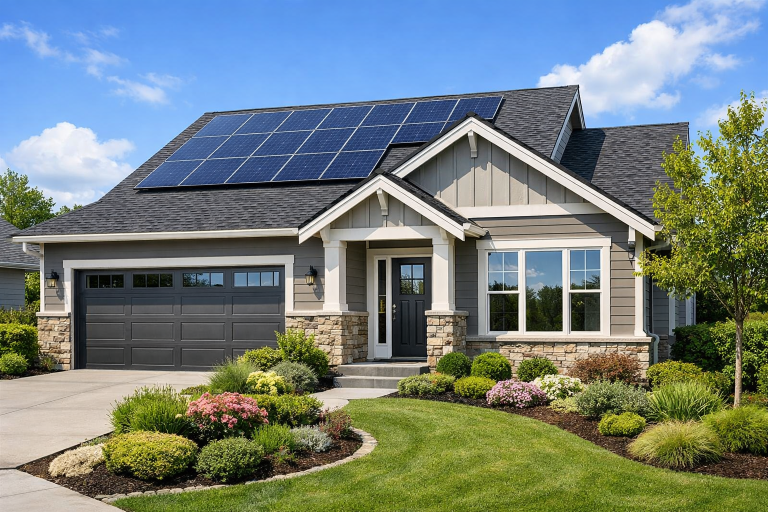
Raleigh’s abundant sunlight makes solar energy systems a great investment for local homeowners. Solar panels reduce reliance on non-renewable grid electricity and trim utility bills over the long run. While the initial costs may seem high, a combination of federal tax credits and local incentives can help lower the financial barrier. Solar water heaters and small-scale wind turbines are additional renewable solutions to consider. The Solar Energy Industries Association provides detailed information about residential solar options and incentives on its resource page.
State Incentives and Rebates
North Carolina residents benefit from a variety of programs that encourage energy-efficient home upgrades. The Energy Saver NC program, for example, offers substantial rebates for qualifying improvements. Homeowners may receive up to $16,000 for comprehensive energy upgrades and up to $14,000 for installing high-efficiency appliances. These initiatives help make it significantly easier and more affordable for Raleigh homeowners to invest in lasting energy efficiency.
Conclusion
Investing in energy-efficient home upgrades in Raleigh, NC, delivers immediate savings, lasting comfort, and increased property value. By focusing on improvements in insulation, HVAC systems, windows, and doors, incorporating smart technology, and taking advantage of renewable energy, homeowners can create a modern, energy-saving, and comfortable living environment. Leveraging state incentives and partner experts ensures that any investment is not just wise but also accessible and impactful.