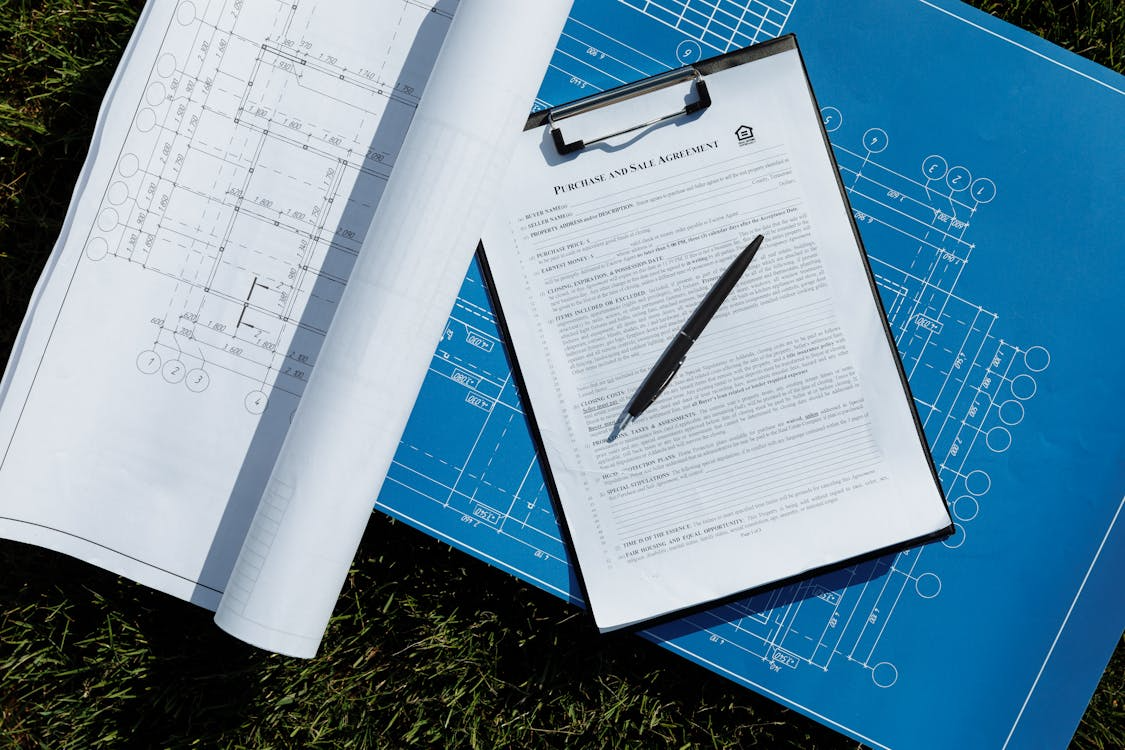
Entering into an agreement with the builder of your new house can be a big step that determines the success of the whole venture. While most people pay close attention to design issues and the time it will take for construction to be completed, many neglect some very important contract details that might become sources of frustration later on. Ideally, an effective contract must be detailed, with all the responsibilities and requirements of each party being explicitly set out.
Not Reviewing the Scope of Work in Detail
A common mistake is overlooking what is contained in the building contract. There needs to be an outline of the materials and finishes used in building, including all the fixtures, fittings, and other requirements. It must be spelled out clearly because, when construction commences, there may be some misunderstandings about the components involved. Homeowners may take for granted some of the items, but find out after construction that those were supposed to be upgrades. Every detail should be written clearly, including brand specifications and structural elements, to avoid disputes and cost blowouts during the build.
Overlooking Payment Schedules and Variation Clauses
One frequent mistake is not having proper knowledge of when and how payments should be made. Payments usually occur in stages depending on progress during construction; however, it is vital to ensure that payment terms are reasonable and clear. Problems may occur if there are variation clauses that permit variations in price without any restrictions. Even minor variations could add up to substantial costs if not regulated properly. It is crucial to comprehend how variations are assessed and billed. A clear payment structure ensures financial planning remains stable throughout the entire construction process.
Not Considering Different Financing Options
Most property owners jump into the contract for their home construction without giving much thought to how the financing will work throughout the process. In Australia, the way that lending is done and the structure of the loans used for construction projects play an integral part in ensuring the process goes smoothly. Failure to do so could cause problems at certain stages of construction. For that reason, it’s valuable to choose dependable home builders in Queensland that provide transparent financing solutions based on your requirements. This alignment between builder and lender can help reduce uncertainty and improve project stability.
Ignoring Dispute Resolution and Legal Safeguards
Legal provisions in contracts typically cover dispute resolution processes; however, such provisions are generally ignored. Ignorance of these provisions will make dispute resolution difficult in case there are any problems during the construction process. Some of the vital information that should be provided by contracts includes claim deadlines, inspection rights, and defect resolution processes. Without proper dispute resolution mechanisms in place, homeowners will experience difficulties in negotiations and litigation. An ideal contract provides equal benefits to all parties involved while outlining the dispute resolution process.
Failing to Verify Builder Credentials and Project Timelines
An even bigger mistake that could be made is neglecting to vet the credentials of the builder before committing to a contract. A reputable builder will be able to show proof of their license, insurance, and previous projects completed. Another crucial consideration is the schedule set up by the builder for construction, with unrealistic timelines potentially being counterproductive. It is always beneficial to check previous reviews of the builder to ensure confidence in the builder’s ability to deliver a quality home within an appropriate timeframe.
A home building agreement is not just an agreement in name only but a fundamental agreement that will control the costs, the quality, and the responsibility. Some of the typical mistakes that should be avoided include ambiguous scopes of work, poor budgeting, missing legal considerations, and unvetted contractors. Proper vetting at the time of signing will go a long way in ensuring a smooth building experience and that the final result matches expectations.
read more : Unlocking Business Growth: The Power of Data Visualization in North Carolina