Table of Contents
- Introduction
- Assessing Your Home’s Solar Potential
- Understanding Financial Incentives and Costs
- Choosing the Right Solar Panel System
- Evaluating Installation and Maintenance
- Considering Energy Storage Options
- Understanding Local Regulations and Permits
- Analyzing Environmental Impact
- Planning for Future Energy Needs
Introduction
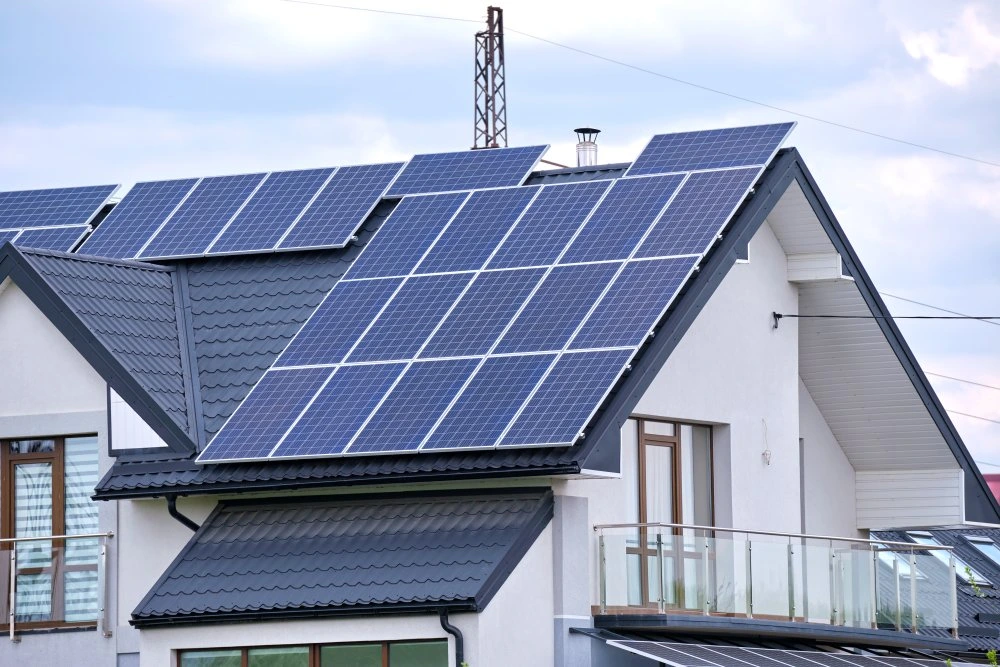
Adopting solar energy for your home marks a proactive approach to sustainability and long-term cost savings. The decision is major, requiring homeowners to consider several important aspects before investing. Homeowners in urban and suburban areas are increasingly looking to renewable energy options to enhance their property values and cut energy expenses, making Chicago solar panels a popular solution for modernizing homes and reducing reliance on traditional power sources.
Understanding the dynamics of solar panel installation ensures that your system delivers on both performance and financial return. Each step, from technical assessments to economic incentives, is critical in decision-making. By first exploring your home’s unique characteristics, you can streamline installation and maximize solar benefits for years to come.
One essential consideration is aligning your energy goals with local regulations, utility policies, and available rebates. Combined with proper system maintenance and planning for future needs, these steps can transform your home into a more sustainable, energy-efficient space.
For homeowners interested in expanding their sustainability journey, the U.S. Department of Energy’s home energy audit resources offer valuable insights into identifying additional energy-saving opportunities before installation.
read more : Best Practices for Choosing the Perfect Hot Tub
Assessing Your Home’s Solar Potential
Determining whether your property is well-suited for solar energy begins with your home’s physical orientation and structure. South-facing roofs with a tilt between 15 and 40 degrees are ideal for efficiently capturing sunlight. Little to no shading from trees or neighboring buildings is crucial, as shadows can significantly reduce system output.
- Roof Orientation and Tilt: Optimal for absorbing solar energy when angled adequately toward the sun.
- Shading: Overhead obstacles such as tall trees or adjacent construction can undermine panel efficiency.
- Structural Integrity: Roofs should be strong enough to support the weight of a complete solar array and withstand weather conditions.
Working with an experienced solar consultant can yield a comprehensive site evaluation—this enhances efficiency and helps avoid costly mistakes later in the process.

Understanding Financial Incentives and Costs
While solar installations involve upfront investment, several incentives are available to ease the financial commitment. Currently, homeowners benefit from the federal Investment Tax Credit (ITC), which allows a deduction of 30% of installation costs, a valuable offset that remains in effect through 2032. Many states and municipalities also provide additional incentives such as rebates, property tax exemptions, grants, or low-interest financing programs.
- Federal Tax Credits: Make the most of the ITC program to reduce initial expenses.
- Local Incentives: Research your state’s rebates and financial assistance for further savings potential.
- Net Metering: Utilities in many regions compensate homeowners for excess solar energy fed back to the grid, producing substantial savings over time.
Investigating all available financial supports can turn an upfront cost into a rewarding investment, ensuring a faster return and maximizing long-term value. For more on the latest solar incentives and detailed cost breakdowns, see recent coverage by The New York Times Wirecutter.
Choosing the Right Solar Panel System
Solar panels differ in efficiency, design, and durability, so tailoring the system to your home’s energy needs is vital. High-efficiency panels generate more energy but are often more expensive. Reviewing product warranties and manufacturer reputations as part of your selection process is wise, ensuring your investment is secure for decades.
- Panel Efficiency: More efficient panels mean greater electricity production per square foot, critical for compact roof spaces.
- Durability and Warranty: Seek products with at least 20 to 25 years of warranted performance.
- System Size: Design a system scaled to your home’s current and future electricity demands.
Reputable solar providers can assess your consumption patterns and recommend systems that optimize energy output for your lifestyle and budget.
Evaluating Installation and Maintenance
Professional installation ensures peak system performance, safety, and warranty adherence.
- Certified Installers: Work only with licensed, experienced teams with a portfolio of successful residential solar installations.
- Maintenance: Routine panel cleaning and electrical inspections keep your array running efficiently and extend its operational lifespan.
With minimal yet regular upkeep, residential solar systems can continue producing clean energy for over 25 years.
Considering Energy Storage Options
Battery storage systems are increasingly paired with solar arrays to store excess energy at night, during outages, or when utility rates peak. Choosing energy storage means greater resilience and independence from the grid.
- Battery Capacity: Match storage size to your essential loads and desired backup duration.
- Cost vs. Benefit: Evaluate payback period and whether battery storage offers tangible benefits for your household needs.
Adopting energy storage is especially beneficial in areas with frequent outages or those looking to maximize solar generation self-consumption.
Understanding Local Regulations and Permits
Adhering to local building codes, electrical standards, and homeowners’ association (HOA) guidelines is essential when planning installation.
- Permitting: Secure the correct building and zoning permits before the project begins.
- Building Codes: Ensure all work is up to code, guaranteeing system safety and legal compliance.
- HOA Rules: Review any HOA restrictions related to aesthetics or placement before progressing.
This diligence helps prevent delays and costly corrections, establishing a foundation for a smooth process.
Analyzing Environmental Impact
The main appeal of solar panels lies in their ability to dramatically reduce your carbon footprint, although their production and disposal pose other considerations. Select manufacturers committed to sustainable sourcing, ethical labor practices, and end-of-life recycling programs for panels and batteries to increase your installation’s environmental benefit further.
- Manufacturing Impact: Research companies for their environmental transparency and track record.
- End-of-Life Disposal: Plan for responsible recycling or reuse at the end of the panel’s service life.
With careful planning, your solar installation will remain eco-friendly from start to finish. The U.S. Environmental Protection Agency’s solar energy portal provides more background.
Planning for Future Energy Needs
When designing your system, consider how energy consumption might evolve—future home additions, new appliances, or adopting electric vehicles (EVs) can increase energy demand. Making your solar system scalable from the outset makes it affordable and easier to expand or upgrade later.
- Home Additions: Anticipate renovation or expansion plans requiring additional energy output.
- Electric Vehicles: Factor in potential high power needs for at-home EV charging stations.
Forward-thinking system design positions your home to accommodate sustainability trends and changing household needs.
By thoughtfully balancing these factors, homeowners can make informed, confident decisions that ensure successful solar panel installation—delivering environmental and economic rewards well into the future.