Table of Contents
- Warranty Implications
- Heat Absorption and Warping
- Paint Adhesion Challenges
- Increased Maintenance Requirements
- Limited Color Options
- Potential for Mold and Moisture Issues
- Environmental Impact
- Alternatives to Painting Vinyl Windows
Key Takeaways
- Painting vinyl windows has significant drawbacks that can outweigh cosmetic benefits.
- Dark colors may increase the risk for heat-related warping and operational failures.
- Failing to follow the manufacturer’s specifications could result in losing warranty coverage.
- Other options, such as custom treatments or modern replacements, can offer a safer, more lasting update.
Vinyl windows are renowned for their durability, energy efficiency, and low maintenance. However, altering their appearance through painting introduces several risks. It’s essential to understand why many professionals advise against painting vinyl windows.
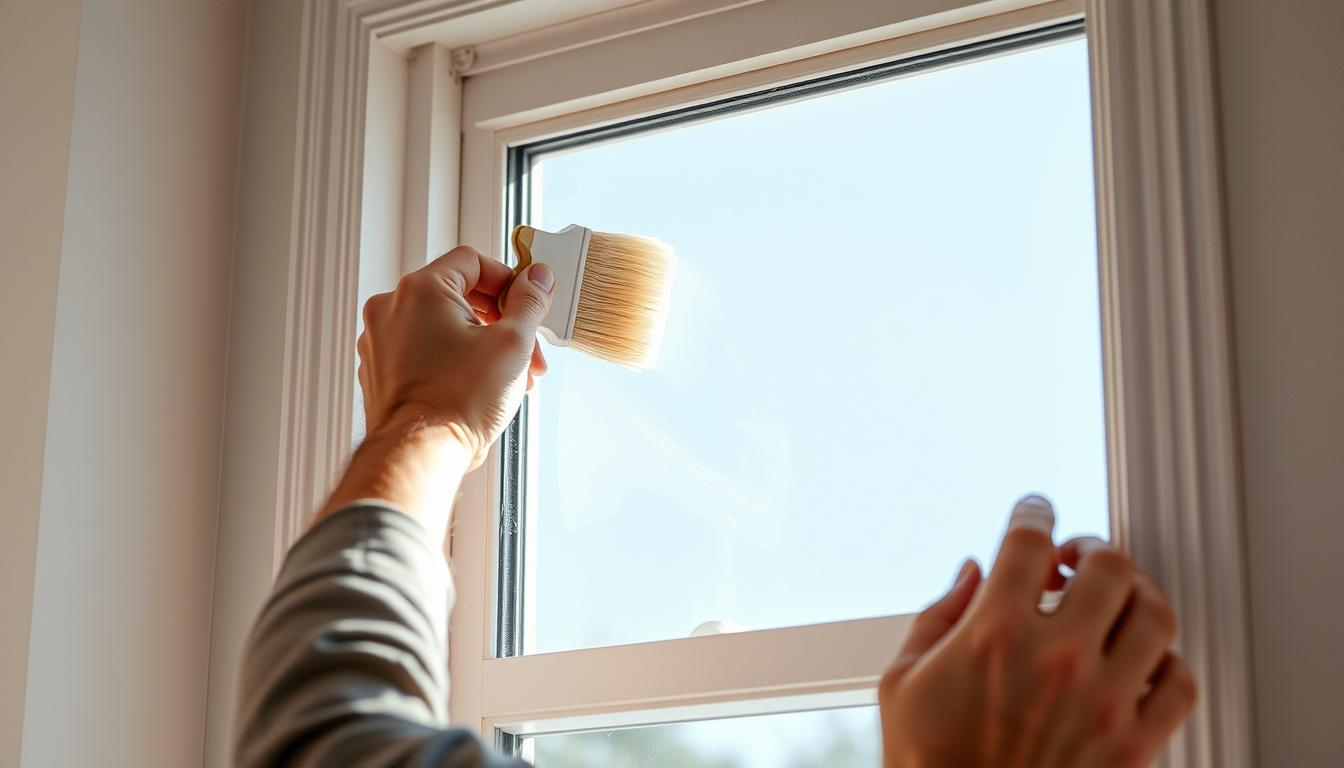
While painting may seem like a straightforward solution, it can lead to issues such as voiding manufacturer warranties, damaging structural integrity, or causing aesthetic decline over time. For those wondering can you paint vinyl windows, the answer is technically yes but doing so often comes with significant drawbacks. Homeowners should carefully weigh these risks and explore alternatives before proceeding with a vinyl window painting project.
Understanding the technical challenges and long-term consequences will empower you to make a decision that protects your investment and home value. This comprehensive overview will help you know what to expect and where hidden pitfalls often lurk. If you’re considering this project for the first time, being informed is your best safeguard.
From potential exposure to increased maintenance, to the risks of warping or mold, each factor plays a role in whether vinyl windows should be painted or replaced. As exterior changes can have lasting impacts, learning from industry expertise is essential for any homeowner.

Warranty Implications
One of the most significant downsides of painting vinyl windows is the risk of voiding your manufacturer’s warranty. The majority of window manufacturers include strict language in their warranty clauses that expressly prohibits painting or altering the original finish of vinyl components. If you paint your windows, any subsequent issue, whether related to appearance, function, or structural integrity, may not be covered under warranty. As noted by This Old House, vinyl windows are designed to maintain their finish without painting, and altering them can compromise both performance and warranty protection. Always consult the documentation that came with your windows or contact your manufacturer before undertaking any modifications. Ignoring this step can result in costly repairs down the line that would have otherwise been covered.
Heat Absorption and Warping
Painting vinyl windows, particularly with dark or heat-absorbing colors, can cause the frames to reach abnormally high temperatures. Vinyl, unlike metal or natural wood, is highly sensitive to heat. When the material absorbs excess heat, it expands and contracts disproportionately, leading to warping or deformation of the window frame. In the worst-case scenario, this thermal movement may cause windows to stick, lose their seal, or even crack the glass panes. Industry advice recommends steering clear of dark colors for this reason and instead using lighter hues that reflect sunlight.
Paint Adhesion Challenges
Vinyl’s composition creates a slick, non-porous surface, making it difficult for paint to adhere securely. Unless the surface is carefully prepared—usually requiring thorough cleaning, de-glossing, and application of a specialty primer—paint will likely peel or chip over time. Even with the right prep work, no painting job is as permanent as the original vinyl finish. Homeowners should set realistic expectations and understand that routine touch-ups will be necessary to preserve a painted finish, especially in harsh weather climates or high-traffic areas.
Increased Maintenance Requirements
One overlooked aspect is the ongoing upkeep that painted vinyl windows demand. Unlike factory-finished vinyl, which is essentially maintenance-free, painted surfaces are susceptible to fading, cracking, and peeling. Sun, rain, wind, and fluctuating temperatures all take their toll, often requiring homeowners to repaint or touch up frequently. Over several years, this can turn a one-time DIY project into a perpetual maintenance issue, and the added expense may quickly outweigh the initial allure of a freshly painted look.
Limited Color Options
The desire to personalize your home’s exterior is understandable, but with vinyl windows, your creative options are limited. To prevent distortion or damage, only certain light colors can be used safely. These restrictions can cause frustration if you are seeking richer or deeper color palettes. Furthermore, some manufacturers may even specify color ranges or require pre-approval just to keep warranty coverage intact, further limiting your choice and complicating your project planning.
Potential for Mold and Moisture Issues
Paint can introduce moisture problems in vinyl windows. A painted surface, especially if improperly applied or maintained, can act as a barrier, preventing trapped moisture from escaping and leading to the development of mold and mildew between the window and paint layers. Mold not only mars appearance but can also negatively affect indoor air quality and the overall health of your home environment. Proper surface preparation and ongoing inspections are crucial, but even then, risk remains.
Environmental Impact
Most paints, even those marketed as specialty options for vinyl, contain chemicals and volatile organic compounds (VOCs) that can harm the environment and human health. Painting large exterior surfaces introduces more VOCs into the air and can contribute to local and regional air quality issues. While some eco-friendly, low-VOC paints are available, they may not offer the same durability or color richness as traditional paints. Environmental stewardship is an important consideration when embarking on exterior home projects.
read more :Best Practices for Choosing the Perfect Hot Tub
Alternatives to Painting Vinyl Windows
- Window Treatments: Installing curtains, blinds, or shades can complement your interior design while leaving window exteriors untouched. These treatments provide color, pattern, and privacy without risking window longevity.
- Exterior Shutters: Matching or contrasting shutters can dramatically update a home’s appearance. Shutters add a classic accent and may even protect windows from storm damage—offering both function and style.
- Replacement Windows: For homeowners seeking a long-term solution, investing in new vinyl windows in the desired color allows for customization without compromising the product’s structural integrity or warranty. Modern windows are available in a wide range of colors and finishes, often backed by robust warranties.
Before making your decision, consult a qualified professional who can evaluate your home’s specific needs and recommend the best course of action for your windows. Industry experts can help ensure you are making a sound investment that avoids hidden risks.