Key Takeaways
- Digital alarm transmission to 911 centers slashes dispatch times from minutes to seconds.
- AI and smart devices improve both the precision and speed of emergency response operations.
- Real-time data sharing elevates collaboration, situational awareness, and critical decision-making on the ground.
In the high-stakes world of emergency response, rapid, clear communication saves lives. Every second delayed can mean the difference between a controlled event and a catastrophe. The digital transformation of alarm data sharing is fundamentally reshaping modern emergency response systems. As dispatch centers and first responders integrate new technologies, the speed and accuracy of their interventions are reaching unprecedented heights. To learn more about these innovations, explore the systems available for digital alarm transmission.
The digital era is driving considerable changes in how alarm events are communicated from monitoring centers to emergency responders. This transition from manual phone calls to automated data exchange improves not just the swiftness but also the clarity and reliability of incident alerts. The result is a significantly enhanced capacity to protect and serve communities more effectively.
The Shift to Digital Alarm Dispatch
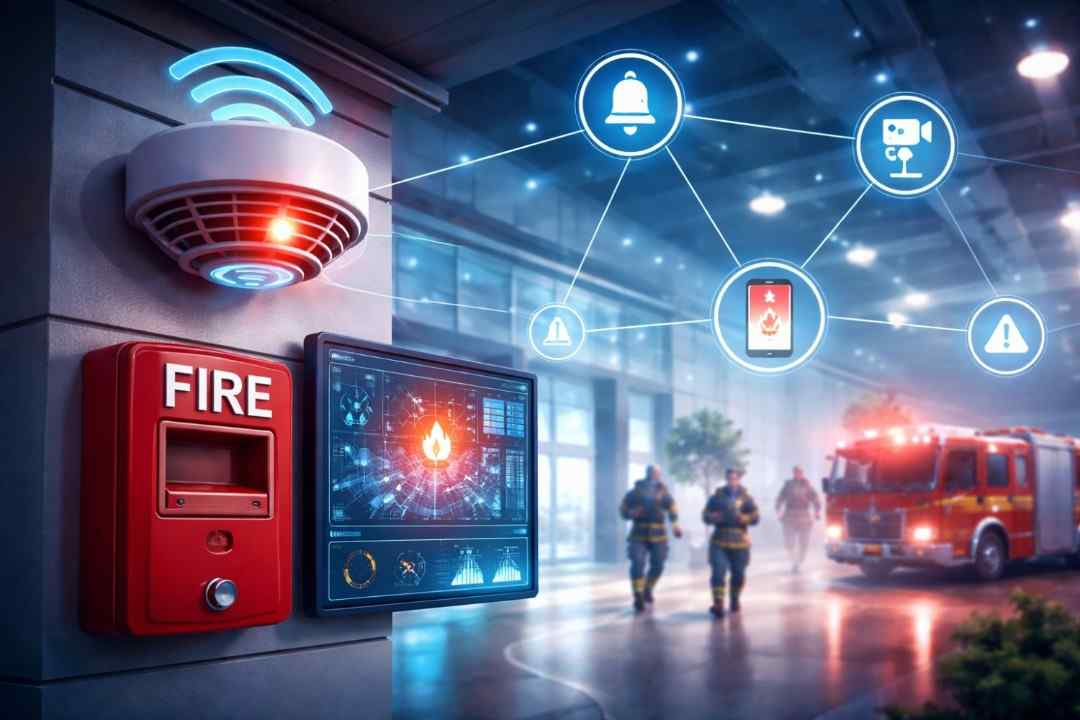
Not long ago, the traditional model for relaying alarm events relied on operators calling 911 centers to report emergencies. This process, while a product of its time, was slow and vulnerable to human error. Digital transmission systems now enable alarm monitoring platforms to automatically and instantly send incident data to emergency communication centers (ECCs). An example of this change is Emergency24’s alliance with Intrado, which empowers more than 600 ECCs across the country to receive digital alarm information, thereby reducing average dispatch times from over 2 minutes to just 15 seconds. Direct digital reporting increases both speed and reliability versus the legacy process, where any misunderstanding or communication breakdown over the phone could have costly consequences.
Modern dispatch notification platforms often combine digital alarm transmission with enhanced mapping tools to assist responders en route. Emergency teams can access building layouts, optimal routing, and on-the-fly updates from the originating monitoring center. With the move toward Next Generation 911 (NG911), the vision is for multimedia capabilities such as text, video, and photos to be directly delivered to PSAPs (Public Safety Answering Points). These advancements empower responders with a more comprehensive, real-world situational picture, further reducing wasted time when every moment matters during critical events.
Integration with Smart Technologies
The future of emergency response is closely tied to smart technologies. Artificial intelligence (AI) and advanced analytics are enabling the processing of critical information at scale. AI-powered alarm systems can triage multiple alerts, categorize threats, and transmit only the most urgent data to response teams. The rise of 5G networks enables near-instantaneous video and sensor data streams from field locations to command centers, allowing for remote assessment of ongoing emergencies before the first responder even arrives on scene. This connectivity extends to mobile triage systems and wearable technology for responders, supporting both operational efficiency and safety.

Additionally, the proliferation of internet-connected alarms and IoT (Internet of Things) devices is enabling highly detailed monitoring like never before. Smart smoke detectors, security cameras, and entry sensors routinely feed data directly into monitoring centers. When an event is verified as a true emergency, this ecosystem facilitates rapid escalation and reporting. These same technologies are expected to drive predictive analytics, identifying trouble patterns before they become incidents. Over time, such advances may be harnessed for community-wide resource planning and risk mitigation.
Real-Time Data Sharing
As information is shared in real time between monitoring stations and ground teams, situational awareness improves dramatically. Emergency response agencies can quickly access live security camera footage, sensor readings, and building schematics. This shared intelligence helps shape response strategies as developments unfold. Transparency through data enables agencies with overlapping jurisdictions to synchronize their actions without delay, cutting across bureaucratic silos and outdated communication channels.
Beyond efficient transmission of alarm data, collaborations now include coordinated information from weather alerts, traffic feeds, and community-specific datasets, which are especially valuable during large-scale emergencies. By providing a central real-time dashboard, command centers can assign resources more effectively and adapt to rapidly changing scenarios. This holistic overview not only accelerates tactical response but also enhances safety both for responders and the public.
Challenges and Considerations
The promise of digital alarm data sharing comes with significant challenges, particularly regarding the security and privacy of sensitive, real-time information. Protecting the integrity of transmitted data and ensuring personal details are not compromised or exposed is paramount. In addition, achieving true interoperability between different alarm companies, emergency agencies, and municipalities requires national standards and relentless attention to evolving protocols. Continuous training and resource allocation for system upgrades remain ongoing priorities for public safety agencies nationwide.
The increasing reliance on interconnected digital systems can also create new vulnerabilities, including the risk of cyberattacks. Stakeholders across the emergency response chain must remain vigilant and invest in robust security infrastructure. As more agencies migrate to unified digital platforms, ongoing collaboration between technology providers, legislators, and emergency personnel is necessary to develop guidelines and maintain public trust throughout this transformation.
Future Outlook
The next chapter in emergency response will see even deeper integration of smart automation and AI analytics. As the prevalence of smart home devices and commercial security sensors grows, so will the volume of data directed to 911 centers. Emergency operations will need to adapt with scalable systems and advanced algorithms to process this increase efficiently. Artificial intelligence is expected to serve as a force multiplier for dispatchers, automatically filtering and summarizing numerous alerts into actionable reports in seconds. This new standard for emergency communication will demand vigilant oversight, robust cybersecurity, and regular technological updates.
Looking ahead, community engagement and education will also be important. As new systems are implemented, first responders and the public must be made aware of how digital alarm data sharing works and what benefits it brings. Building public understanding can not only help ensure cooperation in a crisis but also expedite the adoption of future innovations. Ultimately, the evolving landscape of emergency data sharing promises safer, faster, and smarter responses to the unexpected moments that matter most.
Final Thoughts
The shift toward faster methods for sharing alarm data represents a leap forward in emergency response capabilities. Digital dispatch systems and smart communications are already dramatically improving the speed and accuracy of lifesaving interventions. As agencies continue to innovate and adopt new technologies, public safety will see significant and lasting benefits. Embracing these advancements is not just about adopting new tools, it is about safeguarding communities and ensuring help arrives when it is needed most.