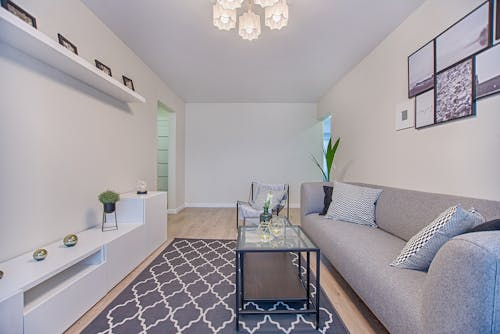
The spaces we work in shape us far more than we typically acknowledge. For artisans, designers, and craftspeople whose work depends on both technical skill and aesthetic sensibility, the workspace is not a neutral backdrop — it is an active participant in the creative process. The light, the organization, the cleanliness, and the atmosphere of a studio all feed into the mindset of the person working within it. Building a workspace that inspires rather than merely accommodates requires intentional decisions about everything from layout and lighting to dust management and material storage.
Starting with a Clear Vision for the Space
Before purchasing a single tool or piece of furniture, the most important step is to define what kind of creative work will happen in the space and what that work requires. A workspace for fine jewelry creation has fundamentally different requirements than one for textile design or ceramics. Understanding the specific processes involved — including their spatial demands, ventilation needs, lighting requirements, and the types of materials that need to be stored and accessed — allows for a layout that genuinely serves the work rather than fighting against it. The clearer the vision, the more coherent and effective the final space.
Prioritizing Air Quality and Particle Control
Creative work often generates byproducts that are harmful when inhaled over time. Metal filings, wood dust, ceramic particles, and chemical fumes are all common in artisan studios, and all require active management. Integrating a jewelry dust collector or appropriate fume extraction system early in the studio design process — rather than retrofitting later — results in a cleaner, safer, and more functional workspace. When particle control is built into the workflow from the beginning, it is seamless rather than intrusive, and it protects the long-term health of everyone who works in the space without disrupting the rhythm of creative production.
Lighting as a Creative and Functional Tool
Lighting is one of the most critical and most commonly underestimated elements of any creative workspace. Natural daylight is ideal for color-critical work and maintains the circadian rhythms that support sustained energy and alertness. Where natural light is limited, high-quality daylight-balanced artificial lighting at the workbench level ensures that details are seen accurately and work can continue comfortably into the evening. Task lighting should be directed precisely at the point of work, while ambient lighting establishes the overall tone of the space. The right lighting setup elevates both the quality of the work and the experience of doing it.
Organization as an Aesthetic and Functional Practice
A beautifully organized workspace is not a vanity project — it is a productivity strategy. When every tool, material, and component has a clearly defined and consistently maintained place, the mental bandwidth consumed by searching, sorting, and deciding is freed for creative thinking. Custom storage solutions that display materials elegantly rather than burying them in opaque boxes make it easier to see what is available, what is running low, and what combinations are possible. Workspace organization that serves both function and visual appeal creates an environment that is energizing to inhabit and inspiring to work within.
Incorporating Personal Aesthetic Throughout the Space
A workspace designed to inspire elegant creations should itself feel elegant. This does not mean extravagant or over-decorated — it means that the choices made throughout the space reflect genuine aesthetic intentionality. The textures of surfaces, the color of walls and storage, the style of lighting fixtures, the way finished pieces are displayed — all of these communicate something about the designer’s sensibility and reinforce the creative identity that informs their work. Artisans who surround themselves with beauty tend to produce more of it. The workspace should feel like a deliberate expression of the same values that appear in the finished work.
Conclusion
Building a workspace that inspires elegant creations is ultimately an act of respect — for the craft, for the work, and for yourself as a creative professional. Every decision made about layout, lighting, organization, air quality, and aesthetic contributes to an environment that either supports or diminishes the creative process. When a workspace is designed with as much care as the objects it produces, the result is a studio that makes the work better every single day.